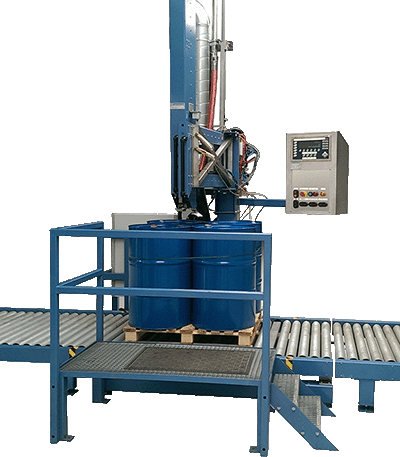
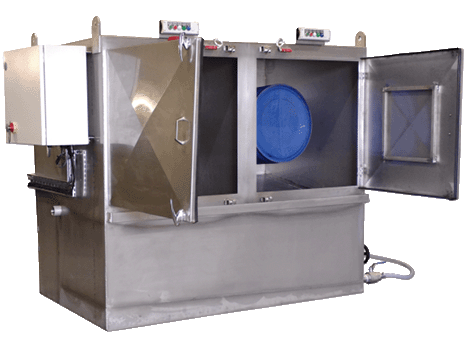
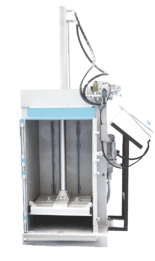
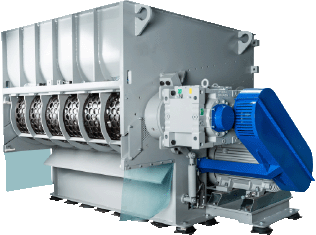
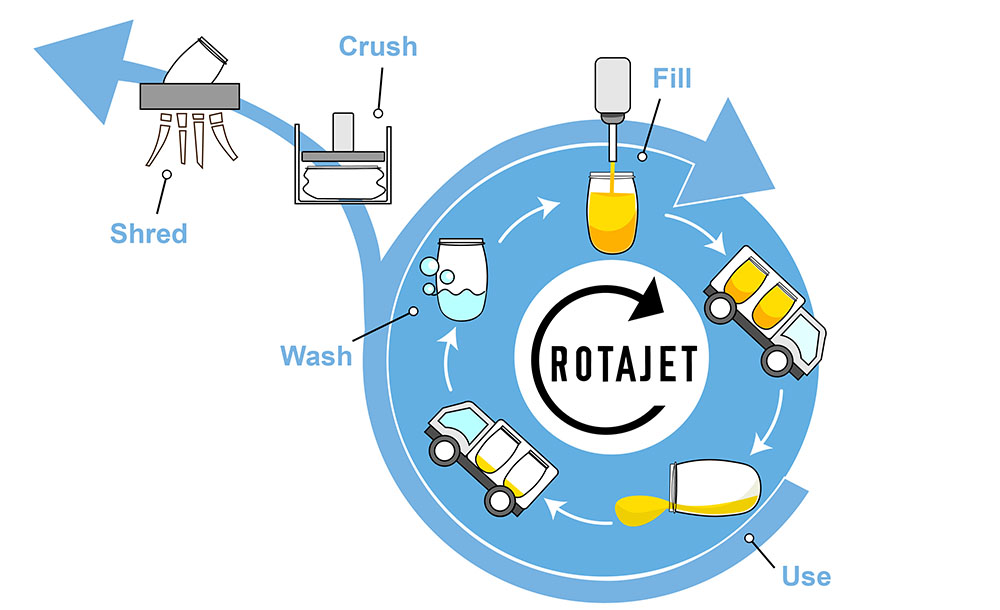
At Rotajet we believe that the key to building a circular economy is to create solutions to make doing the right thing, the cost-effective thing. We look after your processes across the lifecycle of your container, putting you in control, removing unnecessary costs and, automating time consuming manual processes.
For too long our clients have had to pay extraordinary fees for disposing of their drums or, transportation costs to send them out to be laundered externally. Now with Rotajet, you can install a circular system and reduce your carbon footprint as well as your monthly outgoings.
Whether you are a distributor or a manufacturer, end user or waste management company, we have flexible solutions to match your needs.
We see quite often customers finding themselves in a huge logistical and financial nightmare as without an effective system, spent containers build up on site in need to be processed. These spent containers now need to be disposed of ethically at their own expense.
Give Your Business a Competitive Edge with Drum recycling machinery
Want to boost your bottom line and show your customers you care about the planet? Drum reconditioning offers a powerful solution through a closed-loop, circular supply chain.
The Benefits of a Circular Supply Chain:
Cost Savings: Eliminate the expense of constantly buying new drums.
Eco-Friendly Image: Demonstrate your company’s commitment to sustainability, a key factor for today’s consumers.
A Growing Industry Trend:
Many suppliers are now offering drum reconditioning services, simplifying the process for their customers. Empty delivery vans are used to collect used containers, returning them to the supplier’s facility for cleaning and processing using specialized machinery. The drums are then returned in perfect condition, ready for reuse.
Win-Win for Everyone:
This approach not only reduces operational costs for your customers and boosts your competitiveness, but it also lowers your own running costs. Embrace drum reconditioning and join the movement towards a more sustainable and efficient future.
The global economy is reliant on the fast and inexpensive transportation of chemicals and liquids across road, rail and shipping networks. Most industrial processes require chemicals or additives to be delivered on a regular basis, requiring a huge stock of containers across the supply chain.
But what happens to all the spent containers?
Drum recycling is nothing new, back in the days of wooden barrels and ships this was an incredibly skilled job requiring large investments in capital and labour. Thankfully, we have developed and so have the materials we use to transport our products.
Blow moulded, HDPE barrels or drums have become the new norm with millions in circulation across the planet. Cheap to produce, lightweight and durable it is no surprise we do not see wooden barrels on lorries these days. Unfortunately, the cost-effectiveness of HDPE barrels has led to its own issues, namely the 100,000t of plastic scrap produced once these containers have been emptied.
Changes in taxation and policy across the western world have drastically increased the deposal price for companies using process chemicals, driving the necessity for a closed-loop process.
This website uses cookies to improve your experience. We'll assume you're ok with this, but you can opt-out if you wish. Cookie settingsACCEPT
Privacy & Cookies Policy
Privacy Overview
This website uses cookies to improve your experience while you navigate through the website. Out of these, the cookies that are categorized as necessary are stored on your browser as they are essential for the working of basic functionalities of the website. We also use third-party cookies that help us analyze and understand how you use this website. These cookies will be stored in your browser only with your consent. You also have the option to opt-out of these cookies. But opting out of some of these cookies may affect your browsing experience.
Necessary cookies are absolutely essential for the website to function properly. This category only includes cookies that ensures basic functionalities and security features of the website. These cookies do not store any personal information.
Any cookies that may not be particularly necessary for the website to function and is used specifically to collect user personal data via analytics, ads, other embedded contents are termed as non-necessary cookies. It is mandatory to procure user consent prior to running these cookies on your website.