
Cost, Compliance & Control
In the UK’s chemical, food, coatings, lubricant and waste sectors, IBC washing is no longer simply a cleaning task — it is a compliance, sustainability and operational control decision.
As a UK manufacturer of industrial washing and reconditioning systems, Rotajet works with operators across the UK to design scalable IBC washing solutions that reduce outsourcing dependency and improve process control.
The key question facing many businesses is:
Should we continue outsourcing IBC washing — or invest in our own in-house reconditioning system?
The Changing Landscape of IBC Washing in the UK
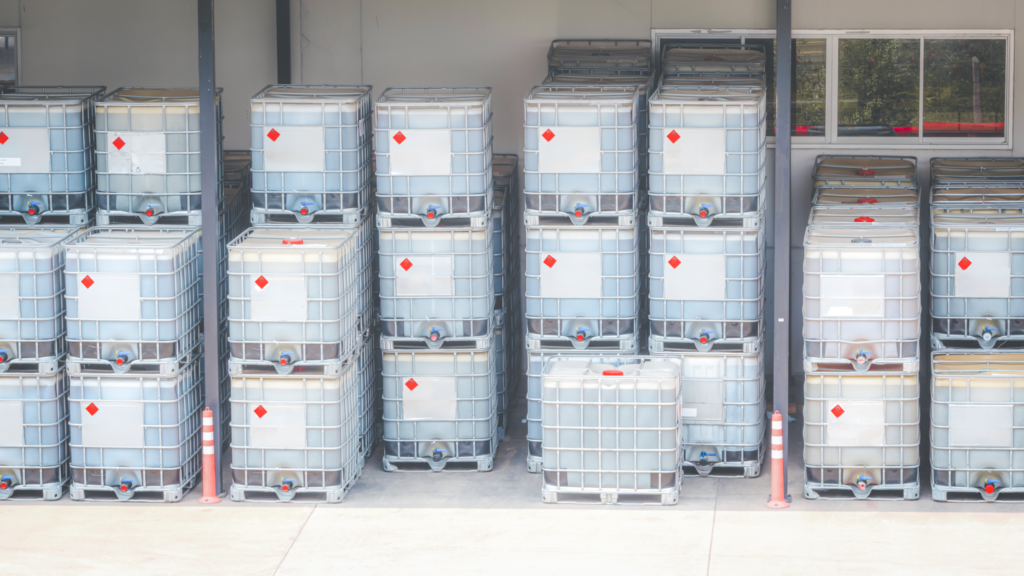
Intermediate Bulk Containers (IBCs) are widely reused across UK industry. However, residues from chemicals, oils, food ingredients and solvents require controlled and documented cleaning before reuse.
Guidance from the Environment Agency reinforces waste duty of care and responsible handling of contaminated packaging.
Workplace safety standards outlined by the Health & Safety Executive (HSE) emphasise safe handling of hazardous materials during cleaning operations.
For operators engaged in plastics and packaging reuse, industry best practice is also supported by the British Plastic Federation (BPF).
Rotajet designs and manufactures industrial IBC washing systems in the UK, supporting chemical processors, waste contractors and reconditioning facilities nationwide.

What Does Industrial IBC Washing Involve?
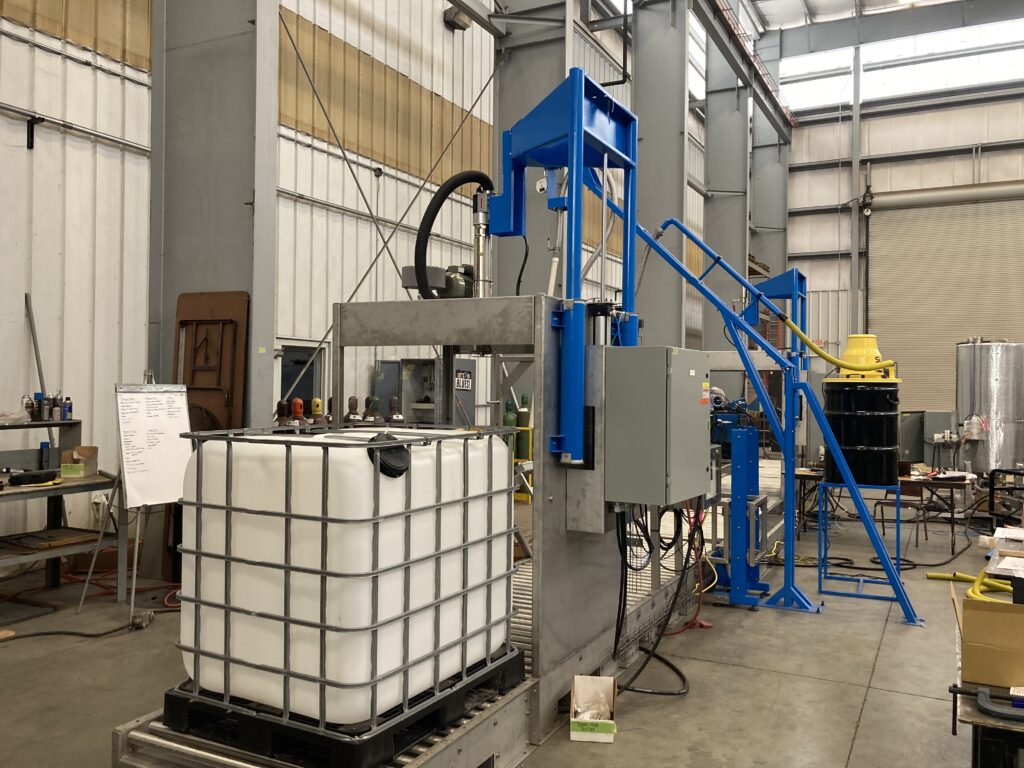
Professional IBC washing is a structured, multi-stage process including:
- Internal high-pressure washing
- Heated detergent cycles
- Rinse stages
- Thermal or vacuum drying
- Leak and pressure testing
- Inspection and documentation
For high-throughput facilities, Continuous IBC Washers provide automated reconditioning capability.
For medium-volume operations, Batch IBC Washers offer flexible and scalable cleaning solutions.
Where certification is required, IBC Pressure Testers ensure containers meet reuse and transport standards.
Full system overview:
https://drumwashing.com/ibc-cleaning/
This integrated approach allows full control of the IBC washing process within a single UK-based facility.
New EU Packaging Regulations (PPWR) – Why This Matters
The European Union has introduced the Packaging and Packaging Waste Regulation (Regulation (EU) 2025/40), replacing earlier directive-based rules with a directly applicable regulation across EU member states.
Official regulation text:
https://eur-lex.europa.eu/eli/reg/2025/40/oj/eng
EU summary guidance:
https://eur-lex.europa.eu/EN/legal-content/summary/packaging-and-packaging-waste-from-2026.html
The regulation introduces binding reuse targets and strengthens obligations around reusable transport packaging.
For UK businesses exporting to the EU — or operating European facilities — aligning IBC washing processes with these standards supports:
- Cross-border compliance
- Customer audit readiness
- ESG reporting
- Sustainable packaging strategy
Sustainability guidance is also reinforced by The WRAP
Rotajet’s integrated washing, drying and pressure testing systems support documented reconditioning workflows aligned with evolving European packaging expectations.
The Hidden Cost of Outsourced IBC Washing
While outsourcing may appear convenient, long-term cost and operational risks are often underestimated.
Transport & Logistics Costs
Haulage fees, scheduling delays and increased carbon emissions all impact operational efficiency.
Production Downtime
When containers leave site, additional stock is required to maintain continuity.
Escalating Service Charges
Per-unit cleaning fees compound significantly for operators processing regular volumes.
Reduced Compliance Control
Outsourcing limits documentation integration with internal ISO and quality systems.
Many UK operators now find that investing in in-house IBC washing equipment reduces lifecycle cost while improving compliance visibility.
Why UK Businesses Are Bringing IBC Washing In-House
Industrial IBC washing systems provide:
Lower Cost Per Unit
After capital investment, cost per cleaned IBC typically decreases significantly.
Faster Turnaround
Containers can be washed, dried, tested and returned to production within hours.
Closed-Loop Water Systems
Rotajet systems incorporate filtration and water recirculation technology to reduce fresh water consumption and effluent discharge.
Integrated Documentation
Inspection logging, barcode tracking and pressure test certification can be incorporated directly into quality management systems.
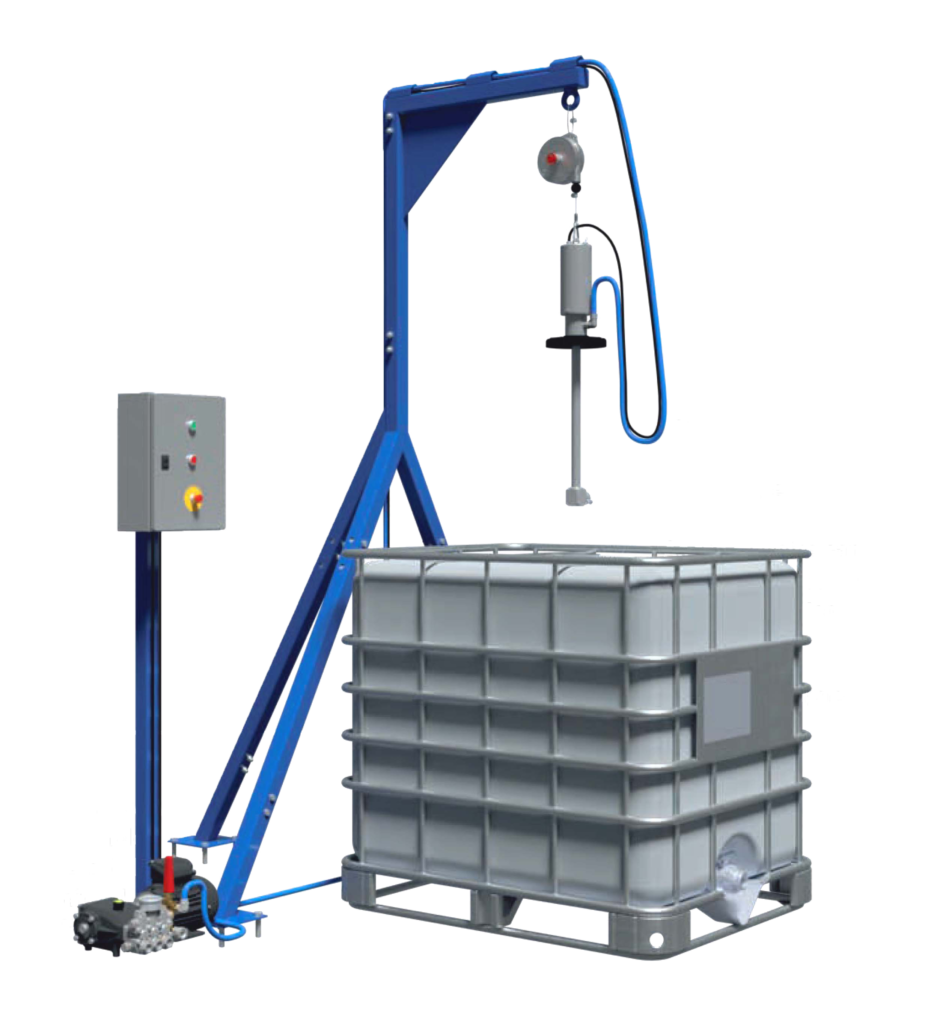
Rental & Hire Options Available
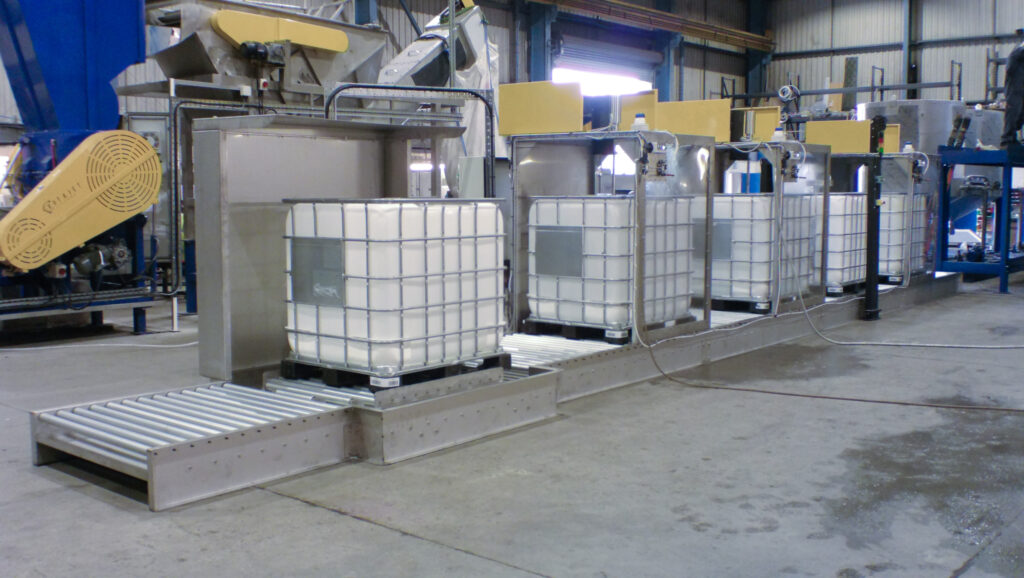
For operators not ready for immediate capital investment, Rotajet offers flexible hire solutions.
The allows UK businesses to:
- Trial in-house IBC washing
- Validate return on investment
- Reduce upfront capital exposure
- Transition gradually from outsourced cleaning
Rental solutions are particularly suited to pilot projects, seasonal operations and recycling trials.
Compliance & UN Transport Standards
For hazardous goods transport, pressure testing is essential.
UN packaging standards under the UNECE framework outline requirements for reusable containers:
https://unece.org/transport/dangerous-goods
Integrating pressure testing into the washing workflow strengthens regulatory compliance and transport safety.

When Does In-House IBC Washing Make Financial Sense?
Investment becomes viable when operators:
- Process 30+ IBCs weekly
- Experience extended turnaround delays
- Face rising outsourced cleaning costs
- Require improved traceability
- Seek sustainability improvements
For higher-volume facilities, return on investment is often achieved within 1–3 years.
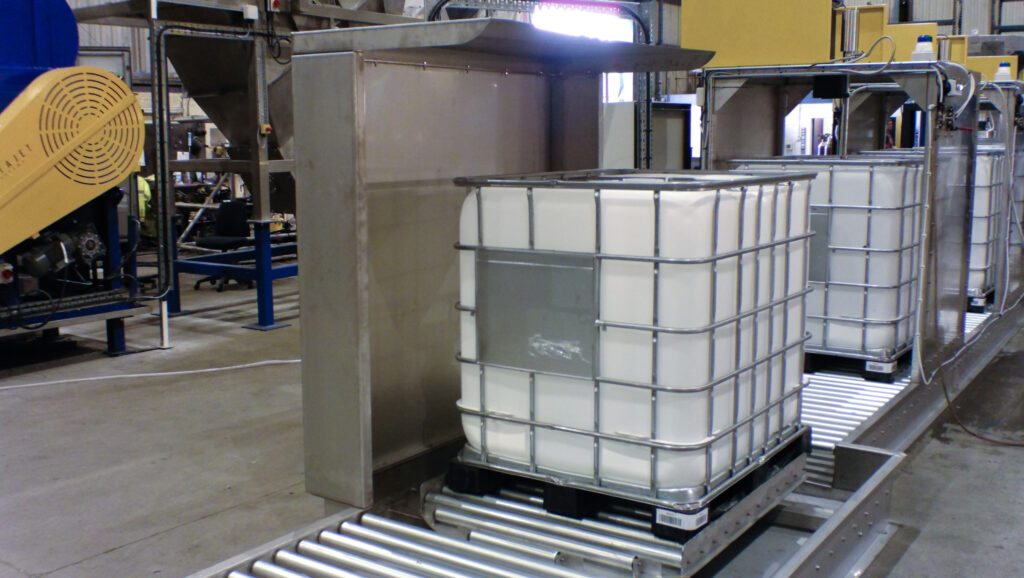
Why Choose Rotajet for IBC Washing UK?

Rotajet provides:
- UK-based engineering and manufacturing
- Batch and continuous IBC washing systems
- Integrated drying and pressure testing
- Closed-loop water recycling
- ATEX configurations
- Flexible rental options
- Ongoing service and technical support
Explore Rotajet systems:
FAQ
How much does IBC washing cost in the UK?
Costs vary by contamination and volume. Regular weekly throughput often justifies in-house systems within 1–3 years.
Are Rotajet systems compliant with UK and EU regulations?
Yes. Systems can be configured to align with Environment Agency guidance, HSE standards and EU packaging requirements.
Can wash water be recycled?
Yes. Rotajet systems incorporate filtration and recirculation technology.
Is ATEX compliance available?
Yes. Systems can be engineered for hazardous environments involving flammable residues.
Can we trial equipment before purchasing?
Yes. The Rotajet Hire Scheme allows UK operators to trial systems prior to capital investment.
Visit Drum Washing to find out more or to get in contact with us.

