
Why Every Reconditioned IBC Should Pass a Pressure Test
Across the chemical, food, pharmaceutical and industrial manufacturing sectors, Intermediate Bulk Containers (IBCs) play a vital role in the storage and transportation of liquids. As businesses increasingly focus on sustainability and reducing packaging costs, the reuse and reconditioning of IBCs has become a growing part of modern supply chains.
However, before an IBC can safely return to service, it must be thoroughly inspected and verified. One of the most important stages in this process is the pressure test.
A pressure tester provides a reliable method of confirming that an IBC remains leak-free and structurally sound following cleaning, repair or refurbishment. By identifying defects before a container is filled and shipped, businesses can reduce operational risks, improve quality control and protect both products and personnel.
What Is an IBC Pressure Tester?
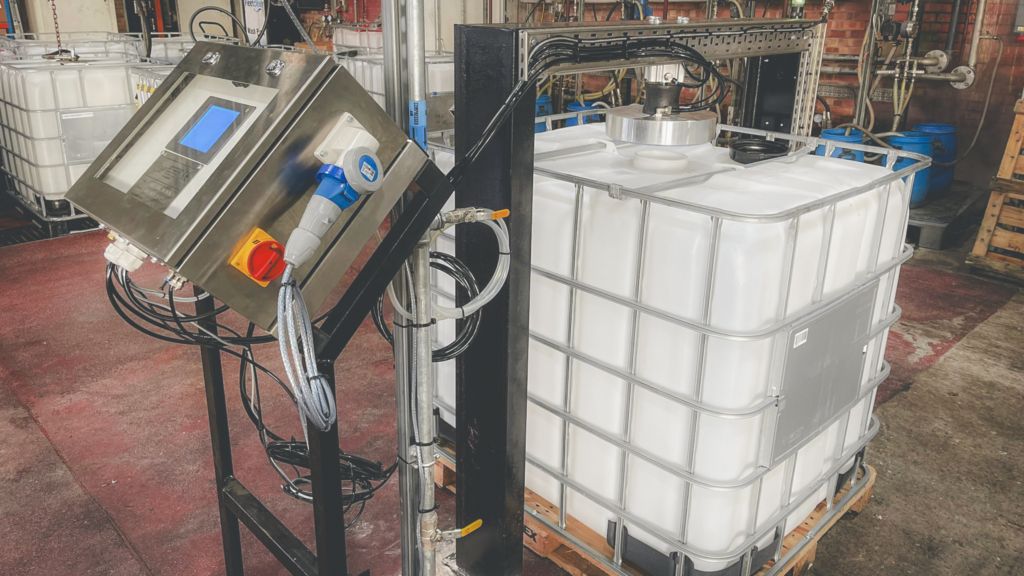
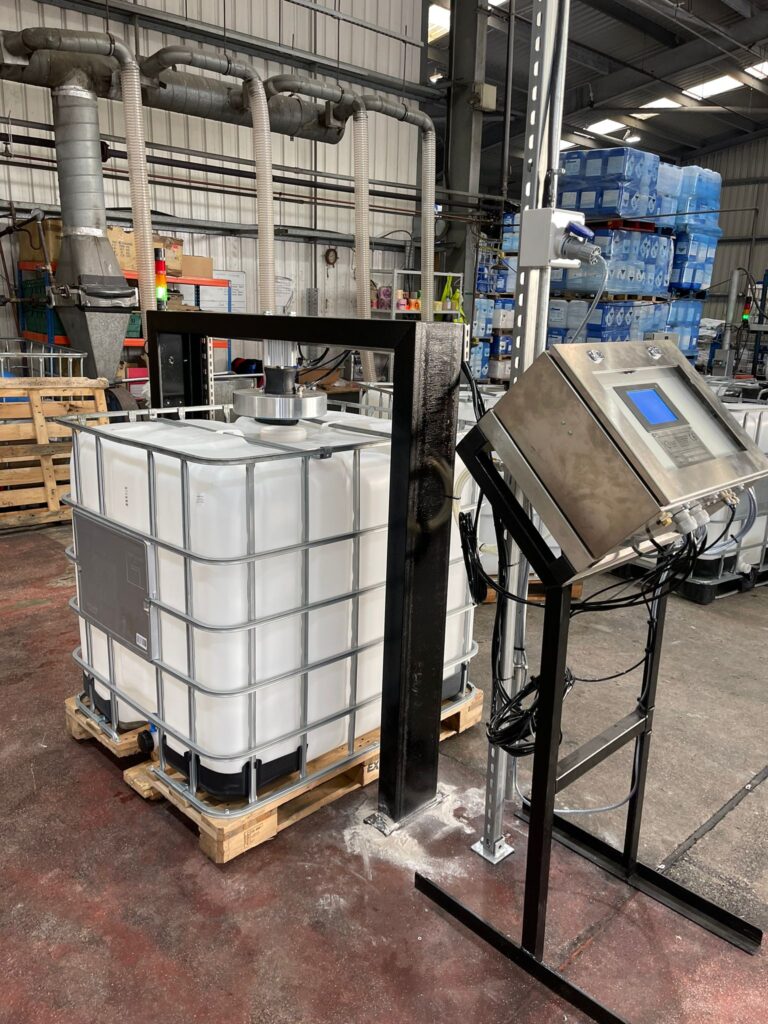
An IBC pressure tester is used to determine whether a container can maintain a specified internal pressure without leaking. During the test, the container is pressurised and monitored to verify its integrity.
Any loss of pressure can indicate a defect such as:
- Damaged bottle walls
- Cracks or punctures
- Faulty valves
- Worn seals or gaskets
- Poorly repaired components
- Structural weaknesses caused by previous use
By conducting a pressure test before an IBC is returned to service, operators can quickly identify containers that require further repair or should be removed from circulation altogether.
Why Pressure Testers Are Important
Many IBCs are reused multiple times throughout their operational life. While cleaning removes contamination, it does not confirm that the container remains fit for service.
Even minor damage can result in:
- Product leakage
- Environmental contamination
- Transport incidents
- Lost product value
- Customer complaints
- Increased operational costs
Implementing a robust pressure test procedure helps businesses ensure that only containers meeting the required standards are released for reuse.
For companies operating IBC reconditioning facilities, pressure testing also demonstrates a commitment to quality assurance and customer confidence.
Supporting IBC Reconditioning Operations
Modern IBC reconditioning involves multiple stages, including:
- Initial inspection
- Container washing
- Component replacement
- Structural repairs
- Pressure testing
- Final quality checks
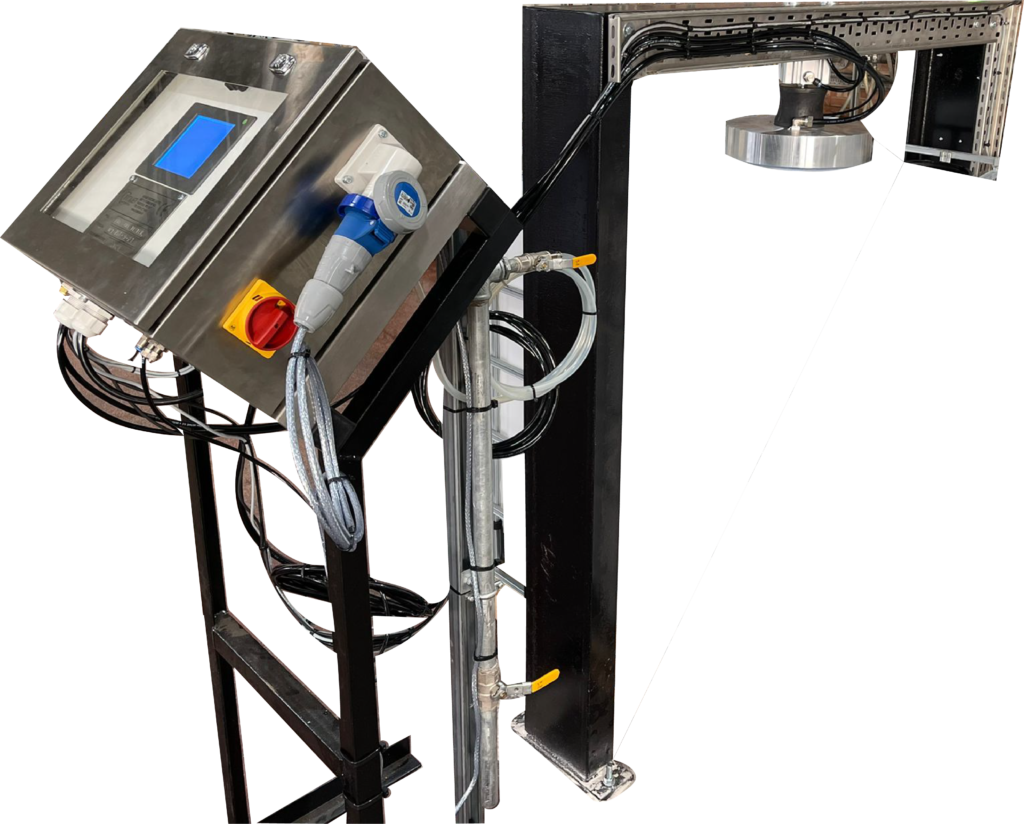
The pressure tester acts as a critical verification stage before the IBC is approved for reuse.
Without a dedicated pressure test system, leaks may go unnoticed until the container is filled with product, creating significant operational and financial consequences.
By incorporating a dedicated IBC pressure tester into the process, reconditioning facilities can standardise testing procedures and achieve consistent results across every container.
Benefits of an Automated Pressure Tester
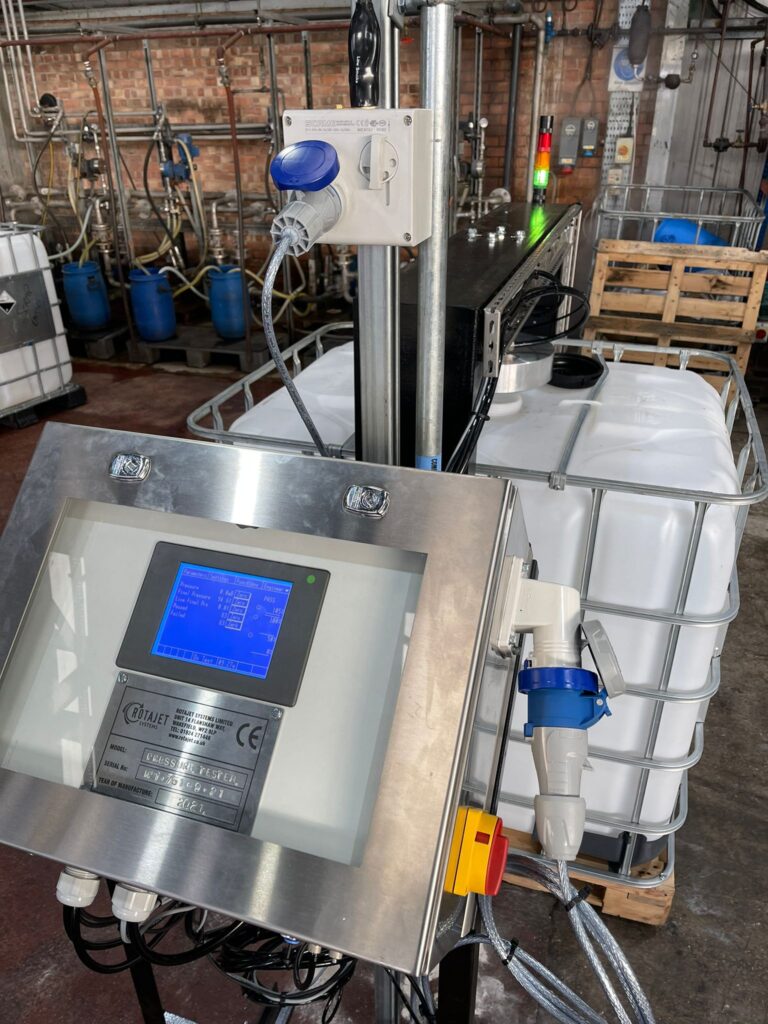
Manual testing methods can often be inconsistent and time-consuming. Dedicated pressure test equipment helps businesses improve efficiency while delivering reliable results.
Key benefits include:
Improved Quality Control
Every container can be tested using the same repeatable process, ensuring consistency across operations.
Faster Throughput
Automated pressure test cycles allow operators to assess more containers in less time, helping increase productivity.
Reduced Product Loss
Detecting leaks before containers are filled prevents wasted product and costly clean-up procedures.
Enhanced Safety
Identifying damaged containers before use helps reduce the risk of spills, contamination and transportation incidents.
Greater Customer Confidence
Customers receiving reconditioned IBCs want assurance that containers have been thoroughly inspected and tested. A documented pressure test process helps demonstrate quality and professionalism.
Industries That Benefit from IBC Pressure Testers
Pressure testers are essential across a wide range of industries where liquids are stored or transported in IBCs.
Chemical Manufacturing
Chemical products often require secure containment throughout storage and transport. A pressure tester helps verify container integrity before use.
Food and Beverage Processing
Food-grade containers must maintain high standards of cleanliness and reliability. A pressure tester helps ensure containers remain leak-free.
Pharmaceutical Production
Pharmaceutical manufacturers require strict quality control procedures. Pressure testing provides an additional layer of verification.
Waste Management
Businesses handling hazardous or non-hazardous liquids need confidence that containers can safely contain materials throughout transport and storage.
Industrial Manufacturing
Lubricants, coatings, cleaning products and process chemicals are commonly transported in IBCs, making pressure testing an important part of container management.
Choosing the Right Pressure Test Solution
Every operation has different throughput requirements, container specifications and quality standards. When selecting an IBC pressure test system, businesses should consider:
- Number of IBCs processed per day
- Required test pressures
- Integration with existing wash lines
- Data recording requirements
- Operator ease of use
- Future production growth
A properly designed pressure test system should provide accurate results while fitting seamlessly into the wider reconditioning process.
Improve Quality Assurance with Rotajet’s IBC Pressure Tester
Rotajet’s IBC Pressure Tester is designed to help businesses verify container integrity quickly and efficiently. By providing a reliable pressure test process, the system helps identify leaks, improve quality control and support safe IBC reuse.
Whether you’re operating a dedicated IBC reconditioning facility or managing container quality within a manufacturing environment, implementing a professional pressure test procedure can significantly improve operational reliability and customer confidence. As demand for reusable packaging continues to grow, pressure testing remains one of the most important steps in ensuring every IBC returned to service is ready for the task ahead.
