
Complete Guide to Cleaning, Compliance & Cost Reduction (2026)
IBC Washing Systems UK: The Complete Industrial Cleaning Guide
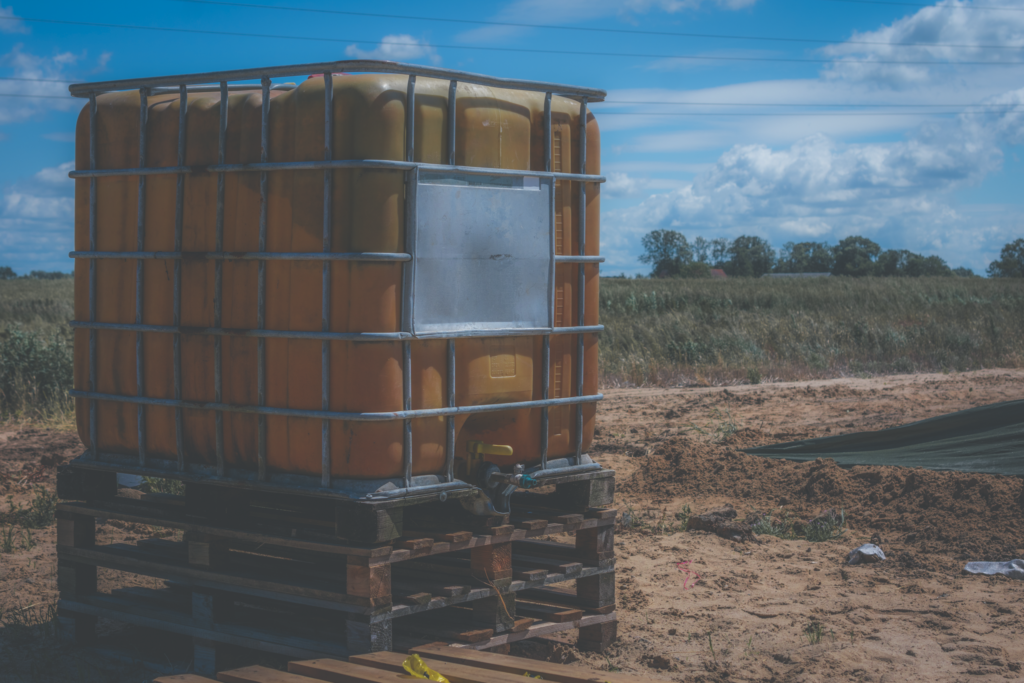
Industrial IBC washing (Intermediate Bulk Container) is a critical process across UK manufacturing, food processing, chemical production, pharmaceuticals, and waste management industries.
With increasing pressure from:
- Rising outsourcing costs
- Stricter environmental regulations
- Sustainability targets
- Operational efficiency demands
Businesses are rapidly transitioning to in-house IBC washing systems.
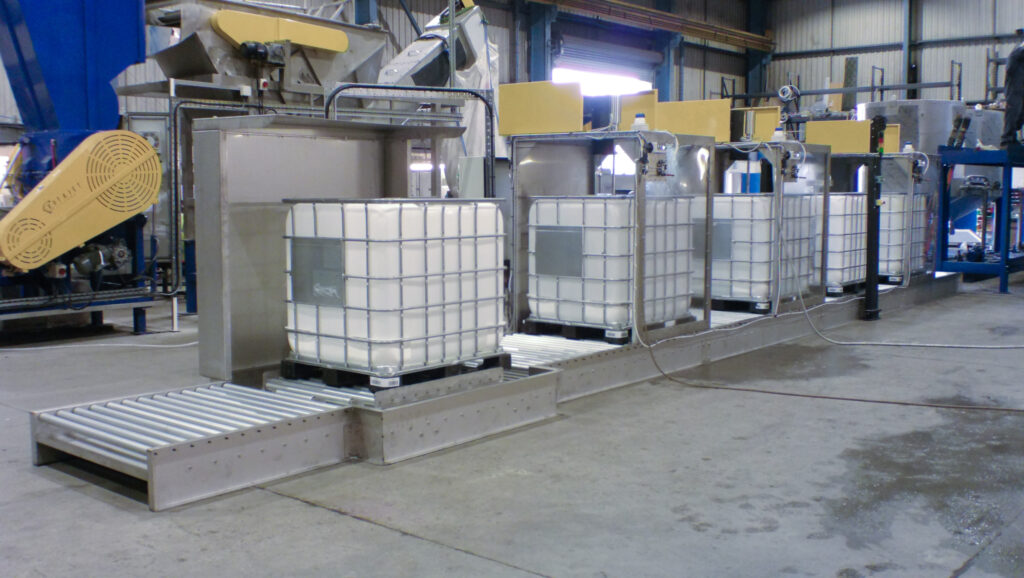
This guide covers everything you need to know — from contamination challenges and cleaning processes through to compliance, cost savings, and system selection.

The Problem with Outsourced IBC Washing in the UK
For many UK businesses, outsourcing IBC cleaning is no longer efficient or cost-effective.
Key Challenges
Rising Costs
Outsourced cleaning includes:
- Transport
- Labour
- Energy
- Waste handling
Logistics & Delays
- Containers leave site
- Turnaround times increase
- Production is affected
Cross-Contamination Risk
- Mixed-use facilities
- Lack of dedicated cleaning
- Increased contamination risk
Lack of Process Control
- No visibility
- Inconsistent cleaning
- No optimisation
This is why manufacturers are moving towards on-site automated IBC wash systems.
What Contaminates IBCs?
IBC containers are exposed to challenging contaminants:
- Oils and lubricants
- Food residues
- Chemicals
- Paints and adhesives
- Powders
These materials:
- Bond to surfaces
- Require heated cleaning
- Demand controlled removal
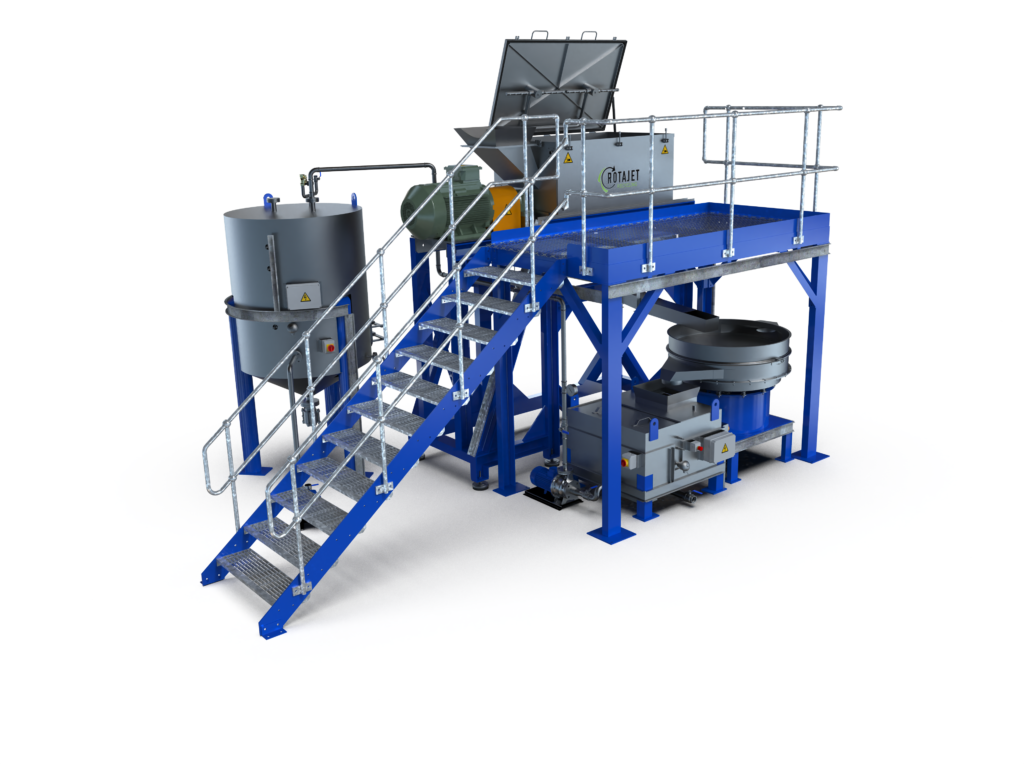
High-shear cleaning technologies remove heavy contamination efficiently, similar to processes used in advanced industrial cleaning .
How Industrial IBC Washing Systems Work
1. Pre-Drain
Removes residual liquids.
2. Internal Washing
High-pressure rotating spray systems clean internal surfaces.
3. External Washing
Cleans outer cage and bottle.
4. Heated Wash
Breaks down oils and residues.
5. Rinse
Removes detergents.
6. Blow-Off
Removes excess water.
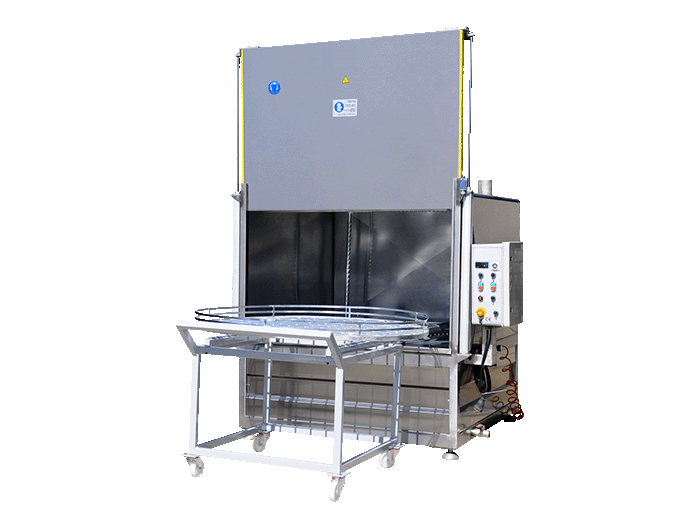
Technologies Used in IBC Wash Systems
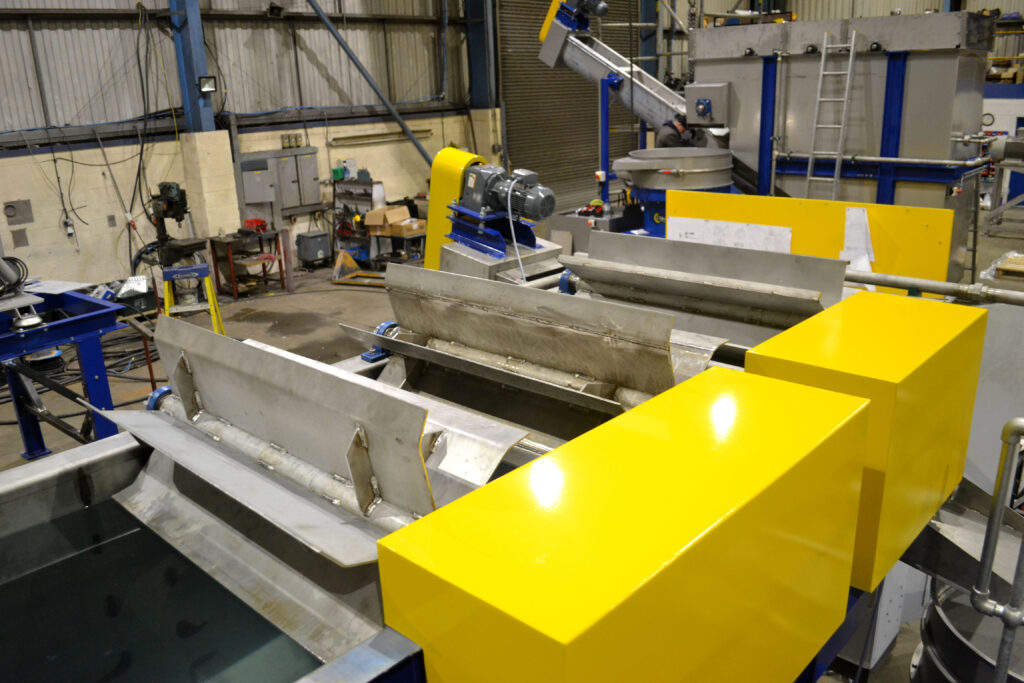
High-Pressure Systems
Ensure full cleaning coverage.
Heated Systems
Improve removal of oils and chemicals.
Chemical Dosing
Ensures consistent cleaning.
Closed-Loop Water Systems
- Reduce water usage
- Recycle water
- Minimise waste
Filtration Systems
- Remove solids
- Improve efficiency
- Extend water life
IBC Cleaning Validation & Quality Control
Cleaning must be measurable.
Methods
- Conductivity testing
- Residue testing
- Visual inspection
- Water analysis
Why It Matters
- Product safety
- Compliance
- Consistency
EU & UK Packaging Waste Regulations
https://environment.ec.europa.eu/topics/waste-and-recycling/packaging-waste_en
Key Drivers
- Increased reuse
- Reduced waste
- Circular economy
Impact
- IBCs must be cleaned before reuse
- Cleaning must be consistent
- Waste must be reduced

Why Most IBC Washing Systems Fail
Common Issues
- Low pressure
- Poor coverage
- No heating
- No filtration
Result
- Poor cleaning
- Higher costs
- Compliance risks
Solution
- Automated systems
- Controlled processes
- Engineered design
In-House vs Outsourced IBC Washing
Outsourced
- High cost
- Slow
- Limited control
In-House
- Lower cost
- Fast
- Full control
Comparison
| Factor | Outsourced | In-House |
| Cost | High | Low |
| Speed | Slow | Fast |
| Control | Low | High |
How to Choose the Right IBC Washing System
Key Considerations
Throughput
- Number of IBCs per hour
- Batch vs continuous
Contamination
- Oils → heated systems
- Chemicals → controlled washing
- Food → hygienic design
Heating
- Improves cleaning
- Reduces cycle time

Automation
- Manual
- Semi-automatic
- Fully automatic
Water Management
- Recycling
- Filtration
- Effluent reduction
Space
- Layout
- Access
- Integration
Future Growth
- Scalability
- Upgrades
IBC Washing System Specifications & Design Options
Typical Specs
- Pressure: 80–200 bar
- Temperature: up to 80°C+
- Materials: 304 / 316 stainless
Options
- Heated systems
- Filtration
- Closed-loop water systems
- ATEX design
Typical IBC Wash System Layout
Process Flow
- Infeed
- Wash
- Rinse
- Blow-off
- Discharge
Manual vs Automated
Manual
- Lower cost
- Operator controlled
Automated
- Higher throughput
- Consistent
Integration
- Filling lines
- Recycling systems
Industrial Applications

- Food
- Chemicals
- Paints
- Pharma
IBC Washing Machines (Rotajet Systems)
Features
- Internal wash
- External cleaning
- Heated systems
- Water recycling
- Bespoke design
BUY / RENT / CONTRACT CLEANING
Buy
- Best ROI
Rent
- Lower upfront cost
Contract
- Flexible
Return on Investment
Savings
- No transport
- Lower labour
- Reduced cost
Payback
12–24 months
Why Rotajet
- Proven systems
- Heavy-duty design
- UK support
- Wakefield trial facility
Frequently Asked Questions
How much does IBC washing cost?
Lower with in-house systems.
Can hazardous IBCs be cleaned?
Yes.
Do I need heating?
Yes for oils and chemicals.
Is water recycling possible?
Yes.
Visit Drum Washing to learn more or to get in contact with us.

