
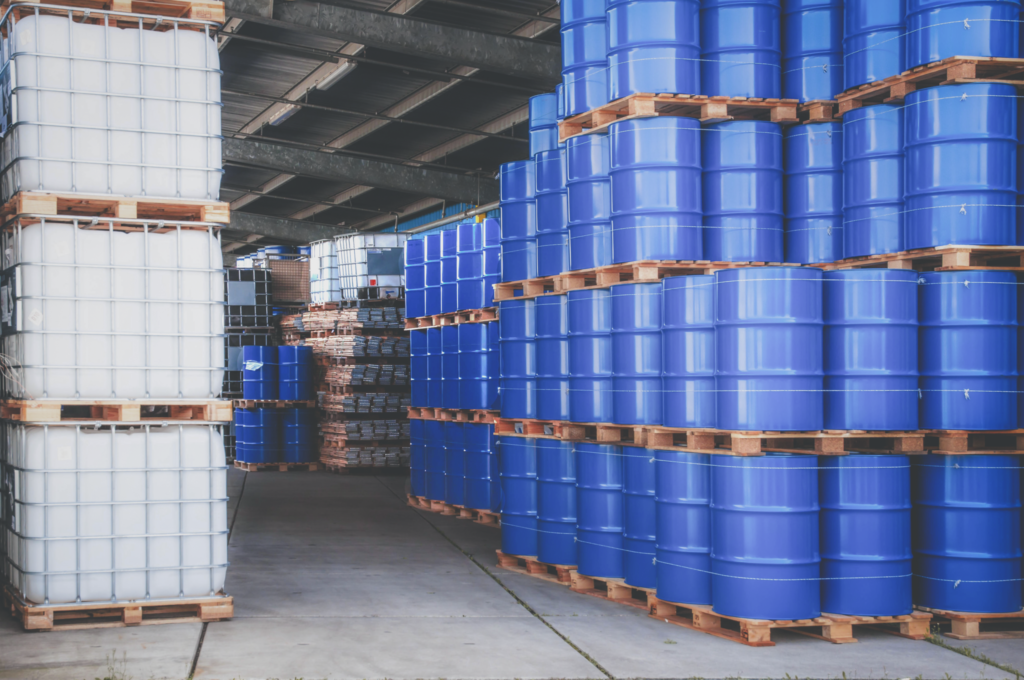
Industrial Washer Rental UK – Fast Deployment, Full Control, Immediate Cost Reduction
Why Rental is Changing Industrial Cleaning in the UK
Across UK manufacturing, chemicals, food production, and recycling sectors, companies are under pressure to:
- Reduce operating costs
- Improve process control
- Eliminate outsourcing delays
- Increase throughput
Historically, container cleaning was outsourced — but this creates:
Transport costs
Lost containers
Delays in production
No control over cleaning quality
This is exactly where Rotajet Systems Ltd has changed the market.Instead of waiting months for capital equipment approval…
Instead of relying on third parties…
You can now install a fully operational industrial washing system within weeks.

What is industrial washer rental?
Industrial washer rental is not simply hiring a machine.
With Rotajet Systems Ltd, it is a complete process solution, designed, delivered, and supported as part of your operation.
A typical rental includes:
1. Process Specification
Rotajet defines:
- Container type (IBC, drum, pail)
- Contamination (oil, chemicals, food, powders)
- Required cleanliness level
- Throughput targets
2. System Configuration
The correct system is selected, for example:
Each machine is configured to suit your application — not a generic off-the-shelf setup.
3. Delivery & Installation
The system is:
- Delivered to site
- Installed in position
- Connected to utilities
This ensures minimal disruption to your operation.
4. Commissioning & Training
Rotajet ensures:
- System is fully operational
- Operators are trained
- Cleaning performance is validated
5. Ongoing Support
Rental is supported with:
- Technical assistance
- Maintenance options
- Process optimisation
Why this is fundamentally different from buying equipment
Buying equipment requires:
- Capital approval
- Long lead times
- Risk of incorrect specification
Rental removes all three.
Instead, you get:
Immediate deployment
Proven performance
Flexibility
When should you choose rental instead of purchase?
Rental is ideal when:
1. You need a solution quickly
Production cannot wait 3–6 months.
Rental delivers in weeks.
2. You are currently outsourcing cleaning
Outsourcing introduces:
- Transport costs
- Handling delays
- Lack of control
Rental brings the process in-house immediately.
3. You want to prove the process first
Instead of committing capital:
- Test performance
- Optimise cleaning
- Validate ROI
4. Your production demand is changing
Rental allows you to:
- Scale up
- Scale down
- Adapt quickly
What Machines Can Be Rented

IBC Cleaning Systems (RJ-ICS)
The RJ-ICS is one of the most widely used rental systems due to its flexibility and performance.
How it works:
- IBC is positioned on the machine
- Wash lance enters container
- 360° rotating head delivers cleaning fluid
Key capabilities:
- Internal cleaning of IBCs up to 1000L
- Recirculated wash system
- Optional heated cleaning
- Optional fresh water rinse
- Optional drying module (RJ-ICS/d)
Why businesses rent RJ-ICS:
- Fast deployment
- Proven performance
- Low water usage
- High repeatability
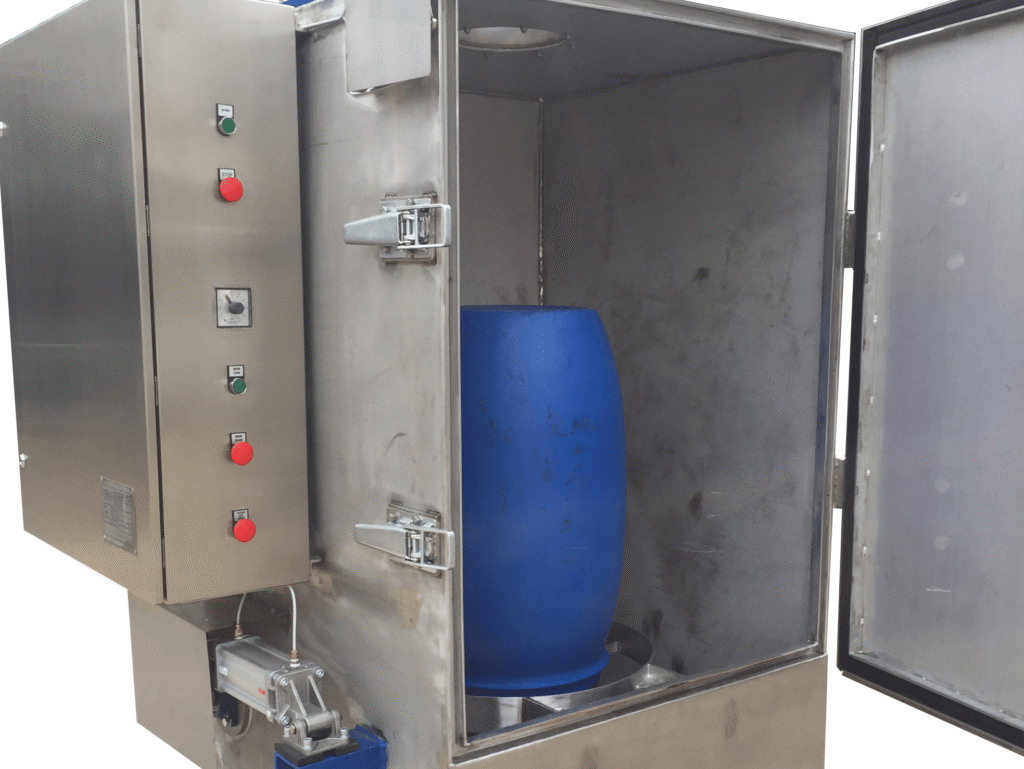
Drum Washing Systems (RJ-DW1)
The RJ-DW1 is designed for:
- 200L drums
- Open or closed top drums
Cleaning process:
- Internal rotating wash head
- External jetting (optional)
- Chemical dosing (optional)
- Heated wash tank (optional)
Ideal for:
- Oil drums
- Chemical drums
- Food containers
- Waste recovery
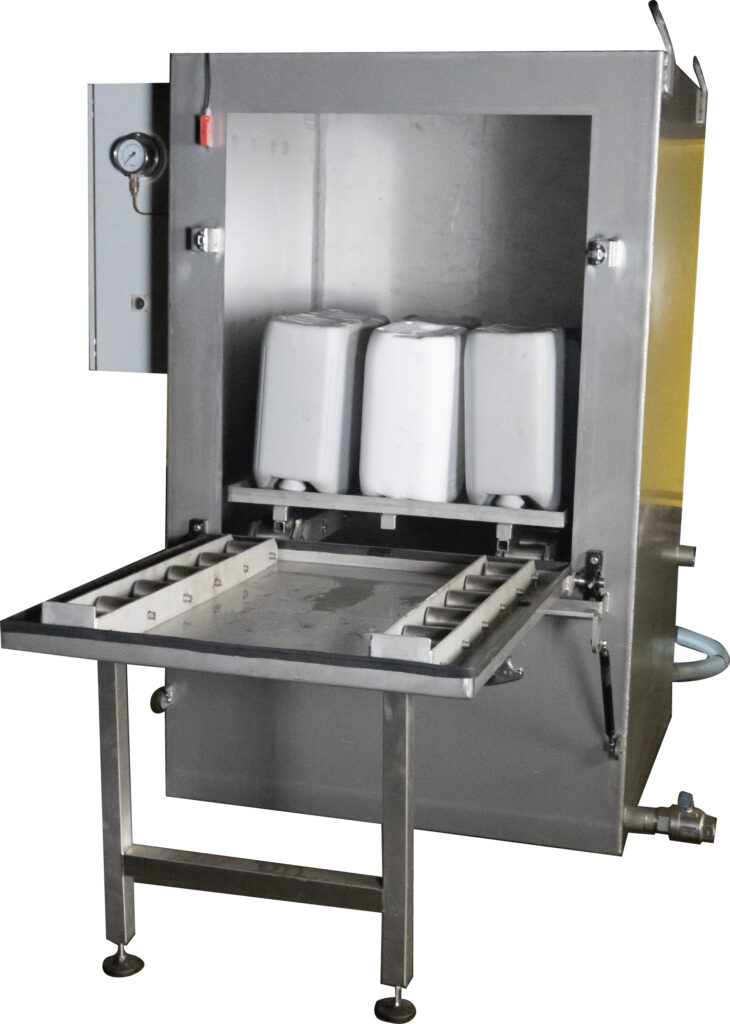
Container & Pail Washers
Used for:
- Smaller containers
- High throughput operations
Key benefits:
- Automated washing cycles
- Consistent cleaning
- Reduced manual labour
How Fast Can You Deploy a Rental System?
Speed is one of the biggest advantages
Traditional capital projects:
- 12–20 weeks
- Complex approvals
- Design delays
With Rotajet rental:
You bypass:
- Procurement delays
- Design uncertainty
- Budget approval bottlenecks
What actually happens in reality:
Step 1: Define requirement
Rotajet reviews:
- Container type
- Contamination
- Throughput
Step 2: Select system
Correct machine is configured:
- RJ-ICS
- RJ-DW1
- Full line
Step 3: Prepare system
Machine is:
- Built or allocated
- Checked and tested
Step 4: Deliver & install
System arrives ready to run.
You move from problem → solution in weeks, not months
Why Rotajet Leads the Rental Market
Not just a machine supplier
Most companies sell machines.
Rotajet Systems Ltd delivers complete systems.
What makes Rotajet different:
1. Engineered solutions
Not just equipment — full process design.
2. UK manufacturing
Built and tested in the UK.
3. Proven installations
Used across:
- Chemicals
- Food
- Recycling
- Manufacturing
4. Modular systems
Allow:
- Expansion
- Upgrades
- Integration
5. Trial capability
Systems can be tested before full rollout.
How Industrial Washing Systems Actually Work
How does an industrial IBC or drum washer clean effectively?
At a basic level, cleaning sounds simple — spray water, remove contamination.
In reality, effective industrial cleaning depends on four critical variables working together:
1. Mechanical Action (Impact Energy)
2. Temperature (Thermal Energy)
3. Chemistry (Detergent / Caustic)
4. Time (Cycle Duration)
This is often referred to as the cleaning circle — and Rotajet Systems Ltd systems are engineered to optimise all four simultaneously.
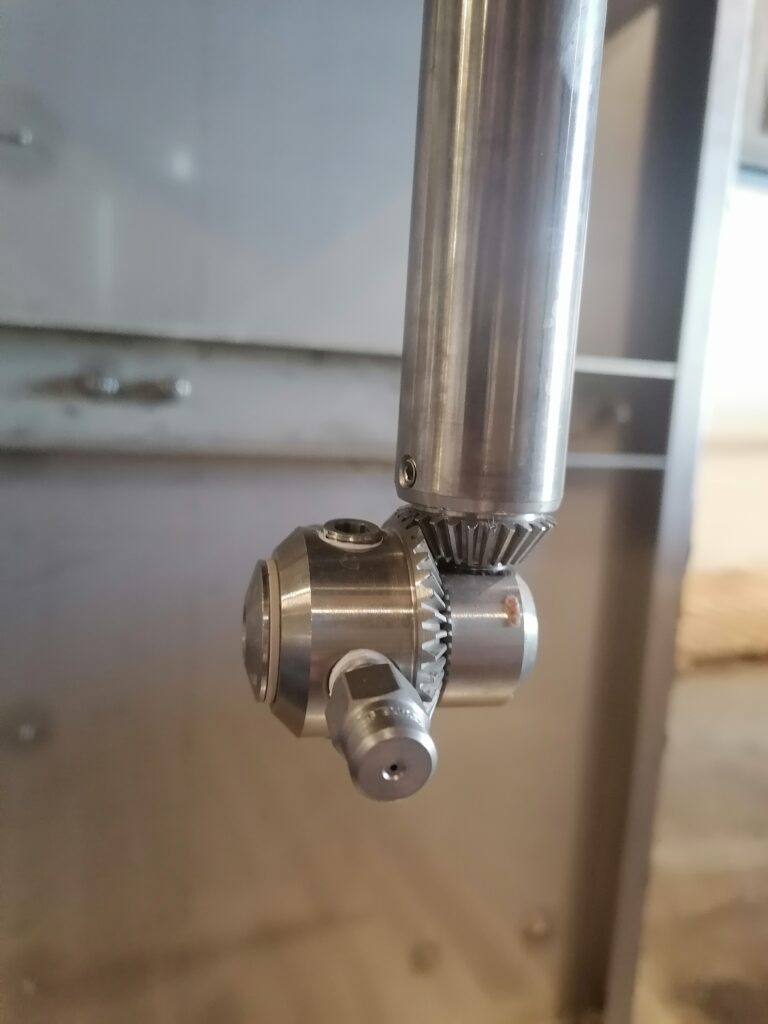
Mechanical Action: Why Spray Design Matters
In the RJ-ICS IBC Cleaning Station, cleaning is achieved using:
- A 360° rotating wash head
- Pressurised spray jets
- Full internal surface coverage
Why this is critical:
This ensures:
- No “shadow areas”
- Consistent cleaning across every cycle
- Removal of stubborn residues
Manual cleaning or static spray systems often leave:
- Untouched internal surfaces
- Residue build-up
- Inconsistent results
Rotajet systems eliminate this through controlled, repeatable mechanical action.

Temperature: The Hidden Multiplier
Temperature dramatically increases cleaning efficiency.
Typical operating range:
- 50°C – 60°C for most applications
What temperature actually does:
- Breaks down oils and fats
- Reduces viscosity of residues
- Improves chemical effectiveness
- Speeds up cleaning cycles
Example:
Cold wash vs heated wash:
- Cold: longer cycles, higher chemical usage
- Heated: faster cycles, lower chemical requirement
Chemistry: When and Why It’s Required
Not all contamination can be removed with water alone.
Rotajet systems support:
- Caustic cleaning solutions
- Detergents
- Specialised chemicals (depending on application)
Typical chemical use cases:
| Contamination Type | Solution |
| Oils / Grease | Caustic + heat |
| Food residue | Detergent + rinse |
| Adhesives | Heated chemical wash |
| Chemical residues | Neutralising solutions |
Integrated Chemical Dosing
Modern systems include:
- Controlled dosing systems
- Optional conductivity monitoring
- Recirculated wash tanks
This ensures:
- Consistent cleaning results
- Reduced chemical waste
- Lower operating cost
Time: Why Faster Isn’t Always Better
Typical wash cycle:
- 3–5 minutes per IBC
But the key is:
Optimised time, not minimum time
Too short:
- Poor cleaning
- Residue remains
Too long:
- Wasted energy
- Reduced throughput
Rotajet systems balance this precisely.
Water Usage & Efficiency
How much water does an industrial washer actually use?
This is one of the biggest misconceptions in the market.
Many assume industrial washing uses large volumes of water — in reality:
Rotajet systems are designed for minimal consumption
Typical IBC Washing Water Usage
Wash Stage:
- Flow rate: ~15 litres per minute
- Duration: 3–5 minutes
- Water is recirculated
Rinse Stage:
- Duration: ~30 seconds
- Fresh water: ~7.5 litres
Key takeaway:
Each IBC typically uses only ~7.5 litres of fresh water
Why this matters commercially:
Compared to outsourcing or manual washing:
Lower water bills
Reduced effluent
Lower environmental impact
How recirculation systems work
Instead of constantly using fresh water:
- Wash water is stored in a tank
- Heated and reused
- Filtered to remove debris
Benefits:
- Massive water savings
- Stable cleaning conditions
- Lower operating cost
Energy Consumption & Heating Efficiency
Where energy is actually used
The primary energy consumption comes from:
- Heating wash water
- Pumps
- Optional drying systems
Why heating is still cost-effective
Although heating consumes energy, it:
Reduces cycle time
Reduces chemical usage
Improves cleaning quality
Lower total cost per cleaned container
Heat retention in recirculated systems
Because water is reused:
- Heat is retained
- Energy demand stabilises
- Operating costs drop over time
Optional heating systems include:
- Electric heating
- Steam heating
- Indirect systems
Handling Difficult Contamination
Can these systems handle heavy contamination?
Yes — this is where system configuration becomes critical.
Rotajet systems are designed to handle:
- Oils and grease
- Chemical residues
- Food waste
- Sticky materials
- Powders and fines
Example: Oil-contaminated drums
Solution:
- Heated wash
- Caustic dosing
- Internal + external cleaning
Example: Sticky food residues
Solution:
- Heated detergent wash
- High coverage spray
- Rinse stage
Example: Chemical containers
Solution:
- Multi-stage cleaning
- Neutralisation (if required)
- Controlled dosing
Why incorrect systems fail
Many systems fail because they lack:
Heat
Proper spray coverage
Chemical control
Recirculation
Rotajet systems solve all four.
Drying Systems & Final Output Quality
Is drying necessary?
Depends on your process.
Drying is required when:
- Containers are reused immediately
- Products are moisture-sensitive
- Hygiene standards are high
Available drying options
Air drying
- Low cost
- Slower
Forced air drying
- Faster
- More consistent
Integrated drying systems
Example:
- RJ-ICS/d module
These provide:
- Fast moisture removal
- Improved turnaround
- Better process control
Automation, Control & Repeatability
Why automation matters
Manual cleaning creates:
- Inconsistent results
- Operator dependency
- Higher labour cost
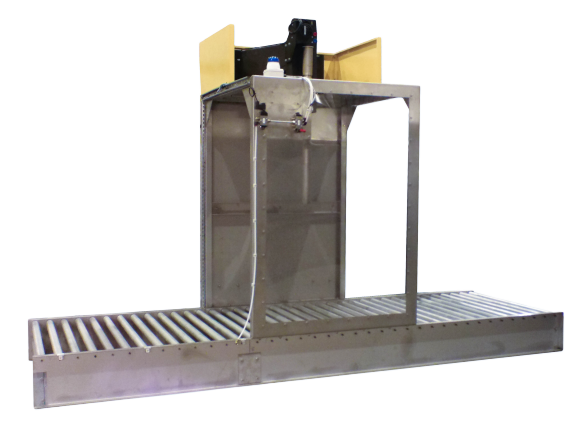
Rotajet systems use PLC-controlled automation:
This allows:
- Repeatable cycles
- Controlled wash parameters
- Reduced operator input
What can be controlled:
- Wash time
- Temperature
- Chemical dosing
- Rinse cycles
Every container is cleaned to the same standard — every time.
Why Applications Matter More Than Machines
Most competitors sell machines.
Rotajet Systems Ltd engineers solutions around applications.
That’s the difference.
Because in reality:
The same machine will perform completely differently depending on:
- Contamination type
- Material
- Required cleanliness
- Throughput
What goes wrong with “generic” systems
Across UK industry, a common mistake is:
Buying a washer without defining the process
Result:
- Poor cleaning
- Long cycles
- High chemical use
- Operator frustration
Rotajet approach
Every rental system is built around:
Application
Contamination
Output requirement
Chemical Industry Applications
Why chemical container cleaning is critical
Chemical manufacturing demands:
- Zero contamination carryover
- Safe handling of residues
- Repeatable cleaning
Failure results in:
- Product contamination
- Safety risks
- Compliance issues
Typical chemical cleaning challenges
- Aggressive residues
- Hazardous materials
- Sticky or reactive substances
- Odour retention
How Rotajet systems solve this
Using RJ-ICS systems, chemical manufacturers achieve:
- Full internal coverage (360° wash head)
- Controlled chemical dosing
- Heated cleaning cycles
- Repeatable results
Common chemical applications
IBC cleaning (bulk chemicals)
- Internal wash + rinse
- Optional drying
Drum cleaning (hazardous liquids)
- Internal + external wash
- Heated caustic cleaning
- ATEX-compatible options
Why rental works in chemicals
- Fast deployment for compliance issues
- Immediate replacement of outsourced cleaning
- Reduced risk before capital investment

Food & Beverage Industry Applications
The challenge in food container cleaning
Food production requires:
- High hygiene standards
- Removal of organic residues
- Prevention of cross-contamination
Typical contamination types
- Oils and fats
- Sugars and syrups
- Dairy residues
- Protein build-up
Why food residues are difficult
They:
- Stick to surfaces
- Harden over time
- Require heat + chemistry
Rotajet solution
Using heated wash + detergent:
- Residues are broken down
- Surfaces are sanitised
- Containers are reusable quickly
Key benefits for food manufacturers
Reduced container turnaround time
Improved hygiene control
Lower outsourcing costs
Example use cases
- Ingredient IBC cleaning
- Drum cleaning for oils/syrups
- Reusable packaging cleaning
Recycling & Waste Processing Applications
Why cleaning is critical in recycling
Recycling operations depend on:
Clean material = higher value output
Typical challenges
- Mixed contamination
- Labels and residues
- Oils and organic waste
- Variable input material
Where Rotajet systems fit
Cleaning systems are used to:
- Prepare containers for reuse
- Clean plastic before processing
- Improve downstream efficiency
Container cleaning in recycling
- IBC reuse
- Drum recovery
- Packaging cleaning
Link to plastic washing processes
Rotajet also supports:
- Friction washing
- Sink-float separation
- Size reduction
Why rental is ideal for recycling
- Flexible for changing material streams
- Scalable with throughput
- Reduces capital risk
Industrial Manufacturing Applications
Why manufacturing needs washing systems
Manufacturing processes create:
- Oils
- Coolants
- Swarf contamination
- Residues on components
Common applications
- Parts washing
- Container cleaning
- Process cleaning
Rotajet solutions
Used for:
- Oil drum cleaning
- Coolant container cleaning
- Maintenance container reuse
Additional integration
Systems can be linked with:
Why rental works in manufacturing
- Rapid deployment during breakdowns
- Temporary capacity increases
- Testing process improvements
Multi-Industry Flexibility
One system, multiple applications
A major advantage of Rotajet Systems Ltd systems is flexibility.
Example:
A single RJ-ICS system can handle:
- Chemical IBCs
- Food containers
- Industrial liquids
With correct setup:
- Adjust temperature
- Change chemicals
- Modify cycle times
One system can support multiple departments or processes
When Rental Becomes a Strategic Advantage
Not just a short-term fix
Rental is increasingly used as:
- A long-term operational solution
- A flexible production tool
- A risk reduction strategy
Strategic use cases
1. Rapid production expansion
Need capacity now → rental fills the gap.
2. Process validation
Test before committing capital
3. Replacing outsourcing
Bring cleaning fully in-house
4. Temporary projects
Short-term contracts or demand spikes
5. Equipment failure backup
Avoid downtime
The Real Cost of Container Cleaning
Why most companies underestimate cleaning costs
On paper, outsourcing or manual cleaning looks simple.
But in reality, the true cost is fragmented and hidden across operations.
The 5 hidden cost areas
1. Transport & Logistics
- Shipping containers off-site
- Return transport
- Handling costs
2. Downtime & Delays
- Waiting for containers to return
- Production interruptions
- Emergency shortages
3. Container Replacement
- Lost or damaged IBCs/drums
- Unusable containers due to poor cleaning
4. Labour & Handling
- Manual cleaning
- Handling contaminated containers
- Health & safety risks
5. Lack of Process Control
- Inconsistent cleaning quality
- Product contamination risk
- Compliance issues
The reality
Cleaning is not a cost line — it is a process bottleneck
And that’s why businesses switch to Rotajet Systems Ltd rental systems.
Rental vs Outsourcing
Outsourcing model
Typical scenario:
- Containers collected
- Cleaned off-site
- Returned days later
Problems:
No control
Delays
High transport cost. Risk of contamination
Rotajet rental model
- Cleaning happens on-site
- Containers are immediately reusable
- Process is controlled
Side-by-side comparison
| Factor | Outsourcing | Rotajet Rental |
| Control | None | Full |
| Speed | Slow | Immediate |
| Cost visibility | Hidden | Transparent |
| Scalability | Limited | Flexible |
| Risk | High | Low |
Rental converts cleaning from a cost centre into a controlled process
Real Operational Savings
Transport cost elimination
Outsourcing requires:
- Collection
- Return
- Handling
Rental eliminates this entirely.
Reduced labour requirements
With automated systems:
- One operator can manage the process
- No manual cleaning required
Water savings
Using recirculated systems:
- Only ~7.5 litres fresh water per IBC
- Significant reduction vs manual washing
Energy optimisation
- Heat retained in recirculated systems
- Lower cost per cycle over time
Container reuse
Better cleaning = longer container life
Throughput & Productivity Gains
Typical cleaning cycle (IBC)
- Wash: 3–5 minutes
- Rinse: ~30 seconds
What this means in reality
One operator can process:
- 10–15+ IBCs per hour (depending on workflow)
Why this matters
- Increased production efficiency
- Reduced bottlenecks
- Faster turnaround
Compared to outsourcing
Outsourcing:
- Days turnaround
Rental:
- Minutes per container
ROI — Why It’s Difficult to Standardise
The honest answer
ROI depends on:
- Current outsourcing costs
- Labour costs
- Water & energy pricing
- Throughput
But here’s what we know
In most cases:
Rental delivers immediate operational savings
Example simplified model
Current outsourcing:
- £8–£15 per container
- transport
- delays
Rental model:
- Fixed monthly cost
- Lower per-container cost
- Immediate reuse
Result:
Lower cost per container
Faster turnaround
Higher control
Risk Reduction
Risk in outsourcing
- Incorrect cleaning
- Cross-contamination
- Supply delays
Risk with capital purchase
- Wrong machine specification
- High upfront investment
- Long lead times
Rental eliminates both
With Rotajet Systems Ltd rental systems:
Proven systems
No capital risk
Fast deployment
You can validate the process before committing long-term
Scaling & Flexibility
Traditional approach
Scaling requires:
- New capital investment
- Long lead times
Rental approach
You can scale instantly:
- Add systems
- Upgrade configurations
- Increase throughput
Ideal for:
- Growing businesses
- Seasonal demand
- Changing production
Rental as a Strategic Business Tool
Not just a stopgap
Rental is increasingly used as:
- A permanent solution
- A flexible production asset
- A cost control mechanism
Why businesses choose long-term rental
- Predictable costs
- No capital tied up
- Continuous support
Typical journey
- Start with rental
- Optimise process
- Expand or purchase
Why Rotajet Delivers Better ROI
It’s not just the machine — it’s the system
Rotajet Systems Ltd delivers:
- Engineered process solutions
- Optimised water usage
- Integrated heating & chemistry
- Proven performance
This results in:
Lower operating cost
Faster cleaning
Better results
Supporting systems available
Why Integration Matters More Than the Machine
The biggest mistake in industrial washing projects
Most companies start by asking:
“Which washer do we need?”
But the real question is:
“How does the entire process flow?”
What happens when systems are not integrated
Across UK industry, many sites run:
- Standalone washers
- Manual loading/unloading
- No automation
- No process flow
The result:
Bottlenecks before and after washing
Labour inefficiency
Inconsistent throughput
Safety risks
The Rotajet approach
Rotajet Systems Ltd does not just supply machines — it engineers complete systems.
What a “complete system” actually means
A fully integrated washing system includes:
- Infeed handling
- Washing process
- Rinse stages
- Drying
- Outfeed handling
- Control system
Infeed Systems
Why infeed design is critical
Poor infeed leads to:
- Slow throughput
- Operator strain
- Inconsistent loading
Typical Rotajet infeed solutions
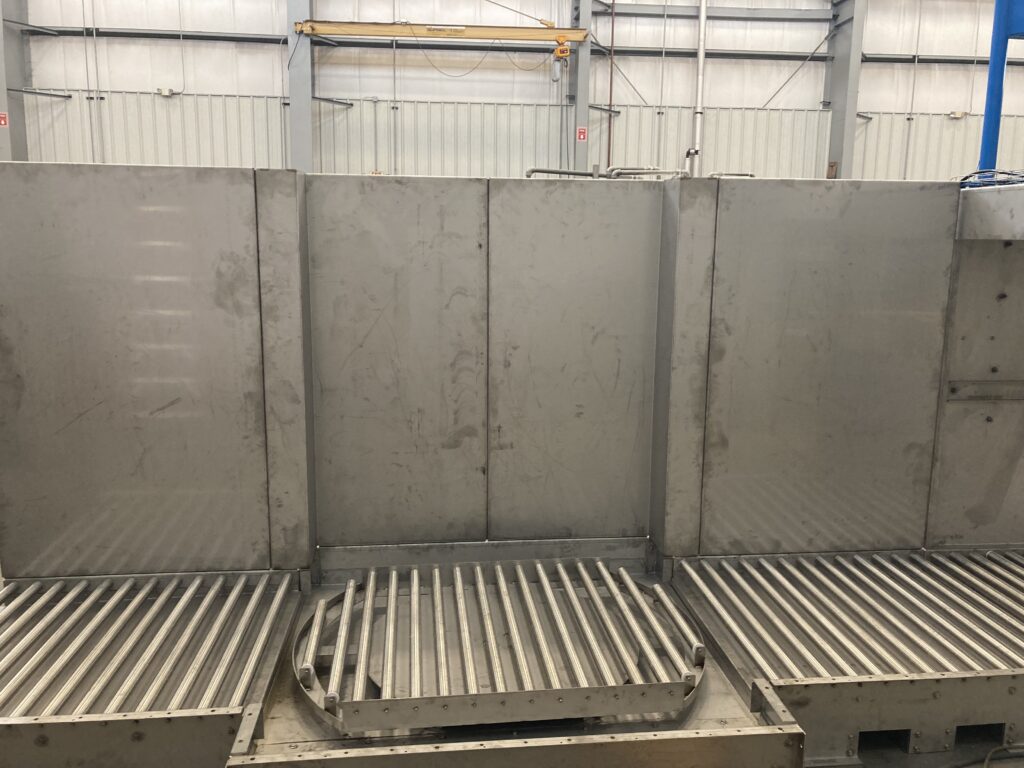
Roller Track Systems
- Manual or gravity-fed
- Simple and effective
- Ideal for IBC handling
Powered Conveyor Systems
- Automated movement
- Controlled flow
- Increased throughput
Tipping & Emptying Stations
For contaminated containers:
- Product removal before washing
- Reduced contamination load
Example integration
IBC line:
- Infeed roller track
- Positioning station
- Transfer into washer
Washing Stage Integration
Core washing systems
IBC Cleaning
- Internal washing
- Optional rinse
- Optional drying
Drum Washing
- Internal + external cleaning
- Heated systems
- Chemical dosing
Multi-stage washing systems
For higher requirements:
- Wash stage
- Rinse stage
- Final rinse
Why multi-stage matters
- Improved cleanliness
- Reduced contamination carryover
- Higher quality output
Rinse Systems & Water Management
Why rinsing is critical
Washing removes contamination.
Rinsing removes residual chemicals and loosened debris
Typical rinse setup
- Fresh water rinse
- Short duration (~30 seconds)
- Controlled flow
Water management integration
Rotajet systems use:
- Recirculated wash tanks
- Fresh water rinse
- Overflow control
Result:
Minimal water usage
Consistent cleaning
Reduced effluent
Drying Systems
Why drying is often overlooked
Many systems stop at washing.
But in reality:
Wet containers can delay production or contaminate product
Rotajet drying options
Air blow-off
- Removes bulk water
- Low cost
Forced air drying
- Faster
- More consistent
Integrated drying modules
Example:
- RJ-ICS/d for IBCs
Benefits of integrated drying
Immediate reuse
Reduced handling time
Improved hygiene
Outfeed Systems
Why outfeed is critical
Even with fast washing:
Poor outfeed = bottleneck
Rotajet outfeed solutions
- Roller tracks
- Conveyor systems
- Accumulation zones
Key design principle
Outfeed must match washing throughput
Result:
Continuous flow
No build-up
Maximum efficiency
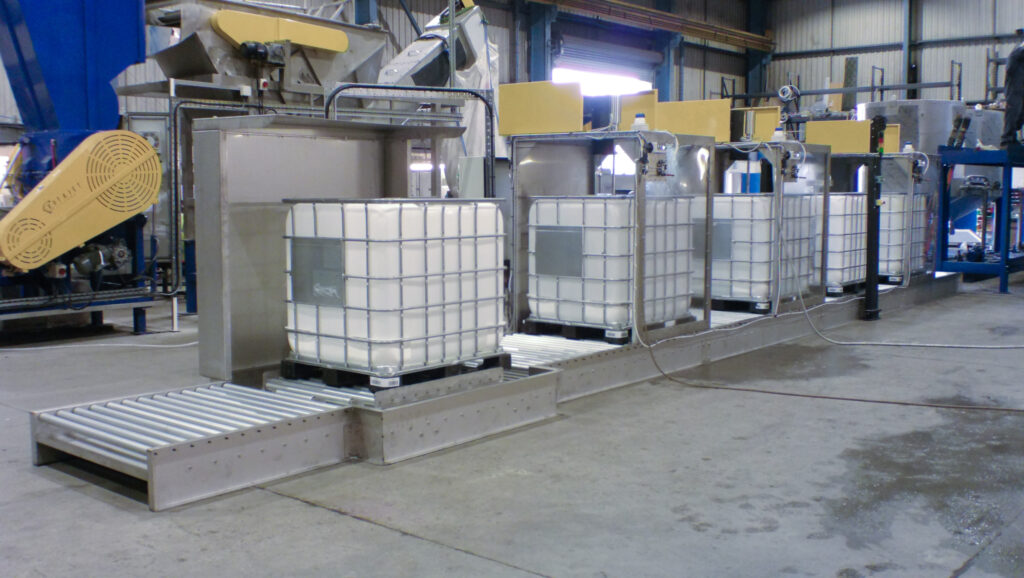
Full Line Automation
Moving from manual to automated systems
Manual systems:
- Labour-intensive
- Inconsistent
- Slow
Automated systems include:
- PLC control
- Automated conveyors
- Sensor-based operation
- Cycle automation
What can be automated
- Container movement
- Wash cycles
- Rinse stages
- Drying
Benefits
Reduced labour
Consistent output
Higher throughput
Control Systems & Smart Integration
The brain of the system
All integrated systems are controlled via:
- PLC systems
- Operator interfaces
- Safety interlocks
What operators can control
- Cycle times
- Temperature
- Chemical dosing
- System status
Optional advanced features
- Remote monitoring
- Data tracking
- Performance optimisation
Modular System Design
Why modular matters
Traditional systems:
- Fixed
- Difficult to upgrade
Rotajet systems are modular
This allows:
- Future expansion
- System upgrades
- Layout flexibility
Example upgrade path
Start with:
- RJ-ICS standalone
Then add:
- Infeed system
- Rinse module
- Drying
- Full automation
System grows with your business
Full Turn-key Washing Lines
What a complete system looks like
A full Rotajet line can include:
- Infeed conveyor / roller track
- Tipping or emptying station
- Washing system (IBC or drum)
- Rinse stage
- Drying system
- Outfeed conveyor
- Control panel
Designed, built, and tested together
All systems are:
- Engineered as one solution
- Built in the UK
- Tested before delivery
Integration With Wider Processes
Industrial Washer Rental —FAQs
1. What is industrial drum and IBC washer rental and how does it actually work in practice?
Industrial washer rental from Rotajet Systems Ltd is a fully engineered, on-site cleaning solution that allows businesses to clean containers such as IBCs and drums without purchasing equipment outright.
In practice, this means:
- The correct system is specified based on your containers and contamination
- The equipment is delivered, installed, and commissioned on your site
- Operators are trained to run automated cleaning cycles
- Containers are cleaned and reused immediately
This removes the need for outsourcing, transport logistics, and manual cleaning — turning cleaning into a controlled, repeatable internal process.
Industrial washer rental from Rotajet Systems Ltd is a fully engineered, on-site cleaning solution that allows businesses to clean containers such as IBCs and drums without purchasing equipment outright.
In practice, this means:
- The correct system is specified based on your containers and contamination
- The equipment is delivered, installed, and commissioned on your site
- Operators are trained to run automated cleaning cycles
- Containers are cleaned and reused immediately
This removes the need for outsourcing, transport logistics, and manual cleaning — turning cleaning into a controlled, repeatable internal process.
2. How quickly can a Rotajet rental system be installed and operational on site?
One of the biggest advantages of working with Rotajet Systems Ltd is deployment speed.
Unlike capital projects that can take months, rental systems can typically be installed within a few weeks depending on specification.
This includes:
- System preparation
- Delivery to site
- Installation and utility connection
- Commissioning and testing
- Operator training
The result is a rapid transition from problem to solution without disrupting ongoing operations.
3. What types of containers can be cleaned using rental systems?
Rotajet rental systems are designed to handle a wide range of containers, including:
- IBCs (Intermediate Bulk Containers)
https://drumwashing.com/ibc-cleaning-station/ - 200L drums (open or closed top)
https://drumwashing.com/rj-dw1-single-position-drum-washer/ - Smaller containers and pails
- https://drumwashing.com/container-washer-rj-cw-9-25/
Each system is configured to match the size, material, and contamination type of the container, ensuring effective cleaning across applications.
4. Is industrial washer rental suitable for long-term use or only short-term projects?
While rental is often used for short-term needs, many companies use it as a long-term operational strategy.
This is because rental offers:
- Predictable costs
- No capital investment
- Ongoing support
- Flexibility to upgrade
Businesses often begin with rental to validate performance, then either continue renting or transition to purchase once the process is proven.
5. How does an IBC washer like the RJ-ICS achieve full internal cleaning coverage?
The RJ-ICS uses a 360-degree rotating wash head inserted into the container.
This ensures:
- Full internal surface coverage
- Consistent spray impact
- Elimination of shadow areas
Combined with controlled pressure, temperature, and chemistry, this delivers reliable and repeatable cleaning performance.
6. How much water does an industrial IBC washer actually use per cycle?
A common misconception is that industrial washers consume large amounts of water.
In reality, Rotajet systems are highly efficient.
Typical usage:
- Recirculated wash phase
- Fresh water rinse: approximately 7.5 litres per IBC
Because water is reused during the wash phase, overall consumption is significantly lower than manual or outsourced cleaning methods.
7. Can drum washers clean both the inside and outside of containers?
Yes — systems like the RJ-DW1 are designed for both internal and external cleaning.
This includes:
- Internal rotating wash heads
- External spray systems
- Optional chemical dosing and heating
This ensures drums are fully cleaned and ready for reuse.
8. What types of contamination can be removed using Rotajet systems?
Rotajet systems are designed to handle a wide range of contamination types, including:
- Oils and grease
- Chemical residues
- Food and organic waste
- Adhesives and sticky substances
- Powders and particulates
The system configuration (temperature, chemistry, pressure) is adjusted depending on the contamination.
9. Are heated washing systems necessary for effective cleaning?
In many applications, yes.
Heating improves:
- Breakdown of oils and fats
- Chemical effectiveness
- Cleaning speed
Typical operating temperatures are around 50–60°C, which significantly improves performance compared to cold washing.
10. Can chemical dosing be integrated into rental systems?
Yes.
Rotajet systems can include:
- Controlled chemical dosing
- Recirculated wash tanks
- Optional monitoring systems
This ensures consistent cleaning performance while minimising chemical usage.
11. What cycle times can be achieved with industrial washer systems?
Typical wash cycles range from 3–5 minutes per container, with an additional rinse stage of around 30 seconds. These timings are optimised based on contamination and required cleanliness.
12. How many containers can be cleaned per hour?
Throughput depends on system configuration, but a single operator using an automated system can process approximately 10–15 IBCs per hour under typical conditions.
13. Can drying be included in the cleaning process?
Yes — drying systems such as integrated air or forced drying modules can be added to remove residual moisture and prepare containers for immediate reuse.
14. Is industrial washer rental more cost-effective than outsourcing?
In most cases, yes.
Rental eliminates:
- Transport costs
- Handling delays
- Third-party dependency
15. Does rental reduce labour requirements?
Yes — automated systems significantly reduce manual cleaning, allowing one operator to manage the process efficiently.
16. Can rental systems be integrated into existing production lines?
Yes — systems can be integrated with conveyors, roller tracks, and automation to create a fully continuous process.
17. Are Rotajet systems suitable for chemical industry applications?
Yes — they are widely used in chemical manufacturing for safe, repeatable container cleaning.
18. Can food-grade cleaning requirements be met?
Yes — with the correct system configuration, including heated wash and rinse stages.
19. Are systems available for hazardous environments (ATEX)?
Yes — ATEX-compatible systems are available for hazardous applications.
20. What utilities are required to operate an industrial washer rental system?
Industrial washer systems from Rotajet Systems Ltd are designed to integrate easily into existing facilities, but they do require core utilities to operate effectively.
Typically, you will need:
- Electrical supply (for pumps, controls, and heating if electric)
- Water supply (for wash tank top-up and rinse stage)
- Drainage or effluent handling system
Depending on the system, optional utilities may include compressed air (for valves or drying) and steam (for heating). Rotajet provides full utility layouts during the design stage.
21. Can industrial washer rental systems handle sticky or difficult residues?
Yes — this is one of the key strengths of properly engineered systems.
Sticky residues such as:
- Adhesives
- Food products
- Oils
- Chemical residues
Require a combination of:
- Heat (typically 50–60°C)
- Chemical dosing
- High-coverage spray
Rotajet systems are specifically configured to handle these challenges by optimising all three variables.
22. How does recirculated water improve cleaning efficiency?
Recirculation is fundamental to efficient industrial cleaning.
Instead of constantly using fresh water, Rotajet systems:
- Store wash water in a tank
- Heat and reuse it
- Filter out debris
This delivers:
Stable cleaning temperature
Reduced water usage
Lower operating costs
It also ensures consistent cleaning performance across every cycle.
23. Are industrial washer systems tested before delivery?
Yes — all systems from Rotajet Systems Ltd are fully assembled and tested prior to delivery.
This process (FATS – Factory Acceptance Testing) ensures:
- System functionality
- Cleaning performance
- Control system operation
Customers can attend in person or view remotely, ensuring confidence before installation.
24. Can industrial washer systems run continuously in production environments?
Yes.
Rotajet systems are designed for industrial duty and can operate:
- Continuously
- Across multiple shifts
- In demanding environments
The use of robust components and controlled processes ensures reliability even under high throughput conditions.
25. How reliable are industrial washer rental systems?
Reliability is a key design focus.
Rotajet systems are built with:
- Industrial-grade pumps
- Stainless steel construction (where required)
- Proven control systems
This results in:
Low downtime
Consistent performance
Long operational life
26. Is operator training required to run the system?
Yes — but systems are designed to be simple to operate.
Training typically includes:
- Loading and unloading procedures
- Starting and stopping cycles
- Basic parameter adjustments
Once trained, operators can manage the system with minimal supervision.
27. Can industrial washer rental systems be relocated if needed?
Yes.
One of the advantages of rental is flexibility.
Systems can be:
- Moved within your facility
- Relocated to another site
- Reconfigured for new layouts
This makes them ideal for changing operations or temporary installations.
28. Can systems scale with increasing production demand?
Yes — scalability is a key feature.
You can:
- Add additional machines
- Increase automation
- Integrate conveyors
This allows your cleaning capacity to grow alongside production.
29. What industries benefit most from industrial washer rental?
Industries that benefit most include:
- Chemical manufacturing
- Food and beverage production
- Recycling and waste processing
- Industrial manufacturing
Each of these sectors requires consistent, reliable cleaning to maintain production and quality standards.
30. Can industrial washer rental completely replace manual cleaning processes?
Yes — and this is one of the biggest advantages.
Manual cleaning is:
- Inconsistent
- Labour-intensive
- Difficult to control
Automated systems replace this with:
Repeatable cleaning cycles
Reduced labour
Improved safety
31. How does industrial washing improve container reuse rates?
Effective cleaning extends the usable life of containers.
By removing contamination thoroughly:
- Containers can be reused more times
- Replacement costs are reduced
- Waste is minimised
This creates both financial and environmental benefits.
32. Can industrial washers remove hazardous or chemical residues safely?
Yes — with the correct system configuration.
Rotajet systems can include:
- Controlled chemical dosing
- Enclosed washing chambers
- ATEX-compatible designs (if required)
This ensures safe and compliant cleaning of hazardous materials.
33. How does temperature impact cleaning performance?
Temperature is one of the most important factors in cleaning.
Higher temperatures:
- Break down oils and fats
- Improve chemical effectiveness
- Reduce cleaning time
This is why heated systems are commonly specified for industrial applications.
34. What role does chemical dosing play in industrial washing?
Chemical dosing ensures consistent cleaning performance.
It allows:
- Precise control of detergent or caustic levels
- Reduced waste
- Improved efficiency
Without controlled dosing, cleaning results can vary significantly.
35. Can systems be configured for different types of contamination?
Yes — every system is configured based on:
- Contamination type
- Container material
- Required cleanliness level
This ensures optimal performance for each application.
36. How do industrial washers improve hygiene and cleanliness standards?
Automated systems provide:
- Consistent cleaning cycles
- Controlled parameters
- Reduced human error
This leads to higher hygiene standards compared to manual or outsourced cleaning.
37. Can industrial washer systems handle mixed contamination types?
Yes — but this depends on system design.
By combining:
- Heat
- Chemistry
- Multi-stage cleaning
Rotajet systems can handle mixed contamination effectively.
38. What happens if contamination levels change over time?
Systems can be adjusted to match changing conditions.
This includes:
- Increasing temperature
- Adjusting chemical dosing
- Modifying cycle times
This flexibility ensures continued performance as requirements evolve.
39. Can industrial washers be used for both internal and external cleaning?
Yes.
Systems like the RJ-DW1 provide:
- Internal cleaning via rotating wash heads
- External cleaning via spray systems
This ensures complete container cleaning.
40. How does industrial washing improve overall process efficiency?
Industrial washing improves efficiency by:
- Reducing downtime
- Increasing container availability
- Eliminating outsourcing delays
This transforms cleaning from a bottleneck into a streamlined part of production.
41. Can industrial washer rental systems be fully integrated into existing production lines?
Yes — and this is one of the biggest advantages of working with Rotajet Systems Ltd.
Unlike standalone machines, Rotajet systems are designed to integrate directly into your existing process flow. This can include:
- Roller track systems for IBC handling
- Conveyor-fed drum washing
- Automated loading and unloading
- Integration with upstream and downstream processes
The key benefit is that cleaning becomes part of your production line — not a separate bottleneck.
42. What types of infeed systems can be used with Rotajet rental equipment?
Infeed systems are critical for efficiency and can be tailored to your operation.
Typical options include:
- Gravity roller tracks for simple setups
- Powered conveyors for higher throughput
- Tipping stations for pre-emptying containers
These systems ensure containers enter the washing process consistently and safely, reducing manual handling and improving throughput.
43. Can full automated washing lines be rented instead of standalone machines?
Yes — Rotajet can supply fully integrated washing lines as part of a rental solution.
This can include:
- Infeed handling
- Washing systems
- Rinse stages
- Drying modules
- Outfeed conveyors
- Central control systems
This allows businesses to deploy a complete cleaning process, not just a single machine.
44. How do multi-stage washing systems improve cleaning results?
Multi-stage systems significantly improve cleaning quality by separating different parts of the process.
Typical stages include:
- Primary wash (removes bulk contamination)
- Secondary wash or rinse (removes residual chemicals)
- Final rinse (ensures cleanliness)
This approach:
- Reduces contamination carryover
- Improves final cleanliness
- Enhances consistency
45. Can systems be upgraded after installation?
Yes — Rotajet systems are modular by design.
This means you can:
- Add rinse stages
- Integrate drying systems
- Increase automation
- Expand throughput capacity
This flexibility is one of the main reasons rental is used as a long-term strategy.
46. Can drying systems be added to a rental installation later?
Yes.
Drying is often added after initial deployment once process requirements are better understood.
Options include:
- Air blow-off systems
- Forced air drying
- Integrated drying modules such as RJ-ICS/d
This allows containers to be reused immediately after washing, improving efficiency.
47. How do conveyor and roller systems improve throughput?
Material handling is often the hidden constraint in cleaning systems.
By integrating conveyors or roller tracks:
- Containers move continuously
- Operator handling is reduced
- Throughput becomes predictable
This transforms the system from a manual process into a continuous flow operation.
48. Can vacuum or tipping stations be integrated into the system?
Yes — and they are often essential for heavily contaminated containers.
These systems allow:
- Removal of residual product before washing
- Reduced contamination load in the washer
- Improved cleaning efficiency
This is particularly important in chemical and food applications.
49. Can rental systems be relocated or reconfigured if production changes?
Yes — this is a major advantage of rental.
Systems can be:
- Repositioned within your facility
- Modified to suit new layouts
- Adapted for different container types
This flexibility makes rental ideal for evolving operations.
50. Are modular upgrades possible without replacing the entire system?
Yes.
Rather than replacing equipment, you can:
- Add modules
- Upgrade components
- Expand capacity
This reduces capital risk and allows gradual process improvement.
51. How does automation improve consistency in container cleaning?
Automation removes variability from the process.
Using PLC-controlled systems:
- Cycle times are fixed
- Temperatures are controlled
- Chemical dosing is consistent
This ensures every container is cleaned to the same standard, regardless of operator.
52. What level of automation is available with Rotajet systems?
Automation can range from semi-automatic to fully automated systems.
This includes:
- Automatic cycle control
- Conveyor-driven movement
- Sensor-based operation
- Integrated safety interlocks
The level of automation is tailored to your throughput and budget.
53. Can systems operate as part of a continuous production process?
Yes.
With proper integration, washing systems can operate continuously as part of your production line.
This eliminates:
- Start-stop inefficiencies
- Manual handling delays
- Batch processing limitations
54. What control systems are used in industrial washer rental equipment?
Rotajet systems use PLC-based control systems with operator interfaces.
These allow control over:
- Wash cycles
- Temperature
- Chemical dosing
- System status
This provides full visibility and control of the cleaning process.
55. Can system performance be monitored and optimised over time?
Yes.
Modern systems allow:
- Monitoring of cycle performance
- Adjustment of parameters
- Continuous optimisation
This ensures the system remains efficient as requirements change.
56. Are safety systems integrated into automated washing lines?
Yes — safety is built into all systems.
This includes:
- Door interlocks
- Emergency stops
- Controlled operation sequences
- Enclosed washing areas
This ensures safe operation even in high-throughput environments.
57. Can rental systems be integrated with other Rotajet process equipment?
Yes — this is a key strength of Rotajet Systems Ltd.
Systems can integrate with:
- Plastic washing lines
https://plasticwashing.co.uk/ - Degreasing systems
https://degreasingmachines.com/ - Screening systems
https://vibratingsieves.co.uk/
This allows full process solutions beyond just cleaning.
58. How do integrated systems reduce labour requirements?
Integrated systems automate:
- Container movement
- Cleaning cycles
- Process flow
This reduces the need for manual handling and allows fewer operators to manage higher throughput.
59. Can multiple machines be linked together in a single system?
Yes.
Systems can be configured to include:
- Multiple washers
- Parallel processing lines
- Shared infeed/outfeed systems
This significantly increases capacity without duplicating labour.
60. Why is full system integration better than buying standalone machines?
Standalone machines create:
- Bottlenecks
- Manual handling
- Integration challenges
Fully integrated systems from Rotajet Systems Ltd provide:
Continuous flow
Higher throughput
Lower labour
Better performance
61. Can industrial washer rental systems be used as a trial before committing to purchase?
Yes — this is one of the most powerful advantages of working with Rotajet Systems Ltd.
Rental allows you to:
- Validate cleaning performance in real conditions
- Optimise cycle times, temperature, and chemistry
- Confirm throughput capability
- Build a clear business case
Instead of guessing specifications or risking capital investment, you can prove the process first — significantly reducing risk.
62. How does rental help reduce risk compared to purchasing equipment outright?
Purchasing equipment involves:
- High upfront capital
- Long lead times
- Risk of incorrect specification
Rental removes these risks by providing:
Immediate deployment
Proven system performance
Flexibility to adjust
With Rotajet Systems Ltd, you are effectively de-risking both technical and commercial decisions.
63. Can rental systems support rapid business growth or expansion?
Yes — rental is one of the most effective tools for scaling operations quickly.
Instead of waiting for capital approval and manufacturing lead times, you can:
- Add additional systems
- Increase throughput immediately
- Adapt to demand changes
This makes rental ideal for growing businesses or facilities experiencing increased production.
64. Is industrial washer rental suitable for seasonal or fluctuating demand?
Absolutely.
Many industries experience fluctuations in demand, and rental provides the flexibility to:
- Increase capacity during peak periods
- Reduce or adjust systems during quieter periods
This avoids the need for permanent over-investment in equipment.
65. Can rental systems be used to replace or support failed equipment?
Yes — this is a common use case.
If an existing system fails, rental allows you to:
- Maintain production
- Avoid costly downtime
- Continue operations while repairs or replacements are arranged
This makes rental a critical contingency solution.
66. How does rental improve operational flexibility?
Rental allows your business to:
- Adapt to new products or materials
- Change cleaning processes
- Modify system configurations
Because you are not locked into a fixed asset, your operation becomes far more agile.
67. Can rental systems support new product or process development?
Yes.
Rental is often used during:
- New product launches
- Process changes
- Trials and validation
It allows businesses to test cleaning requirements without committing to permanent infrastructure.
68. Is rental a viable long-term strategy rather than a temporary solution?
Increasingly, yes.
Many companies now use rental as a permanent solution because it offers:
- Predictable monthly costs
- Ongoing support
- No capital expenditure
- Continuous flexibility
With Rotajet Systems Ltd, rental is not just a stopgap — it’s a strategic operational model.
69. How does rental help improve overall process control?
Outsourcing removes control from your operation.
Rental brings it back in-house, allowing you to:
- Control cleaning parameters
- Ensure consistency
- Respond immediately to issues
This leads to improved product quality and operational reliability.
70. Can rental reduce dependency on third-party cleaning providers?
Yes — completely.
By bringing cleaning in-house:
- Transport is eliminated
- Delays are removed
- Quality is controlled
This significantly reduces reliance on external providers and improves operational independence.
71. How does rental impact production efficiency?
Rental improves efficiency by:
- Reducing waiting times
- Increasing container availability
- Eliminating bottlenecks
Instead of waiting days for cleaned containers, you can clean and reuse them within minutes.
72. Can rental systems help improve sustainability and environmental performance?
Yes.
Rotajet systems are designed to:
- Minimise water usage (recirculation)
- Reduce chemical waste
- Lower transport emissions
This supports sustainability goals while reducing operating costs.
73. How does rental contribute to cost predictability?
Rental converts variable and hidden costs into a predictable monthly expense.
This includes:
- Equipment use
- Support
- Maintenance (depending on agreement)
This improves budgeting and financial planning.
74. Can rental systems be customised for specific applications?
Yes.
Every system from Rotajet Systems Ltd is configured based on:
- Container type
- Contamination
- Throughput
- Site layout
This ensures optimal performance for your specific application.
75. Can rental be combined with eventual purchase options?
Yes.
Many customers follow this path:
- Rent system
- Validate process
- Transition to purchase
This ensures the final purchased system is correctly specified and fully optimised.
76. How does rental support continuous improvement in operations?
Because systems can be adjusted and upgraded, rental allows ongoing optimisation:
- Adjust cycle times
- Modify chemistry
- Improve throughput
This creates a continuous improvement cycle rather than a fixed process.
77. Is rental suitable for companies with limited capital budgets?
Yes — this is one of the primary drivers for rental adoption.
Rental removes the need for:
- Large upfront investment
- Capital approval delays
This allows businesses to implement solutions immediately.
78. Can rental systems be used across multiple departments or processes?
Yes.
A single system can often be used for:
- Different container types
- Multiple departments
- Various cleaning applications
With correct configuration, this maximises utilisation and value.
79. How does rental improve competitiveness in manufacturing and processing industries?
By improving:
- Speed of operation
- Cost efficiency
- Process control
Rental allows businesses to:
Respond faster
Operate more efficiently
Reduce overheads
This directly improves competitiveness.
80. Is industrial washer rental the future of container cleaning in the UK?
Increasingly, yes.
As industries demand:
- Flexibility
- Faster deployment
- Lower risk
- Better cost control
Rental aligns perfectly with modern manufacturing strategies.
With companies like Rotajet Systems Ltd leading the market, rental is becoming the preferred model for industrial cleaning systems.
Visit Drum Washing to see more or to get in contact with us.

